
Standard vs. High-Performance Fume Hoods: A Cost-Performance Comparison for Lab Buyers
Laboratory Furniture for Fume Hood Projects: Comparing Cost, Safety & Payback
When laboratory buyers evaluate fume hood options, the decision usually comes down to one question: is paying more for a high-performance containment system justified by lower long-term operating costs and better safety? For commercial laboratories, pharmaceutical quality-control facilities, and metallurgical testing labs, the answer affects capital budgets, HVAC expenses, maintenance schedules, and operator safety for years. This article compares a high-performance ducted fume hood against a traditional standard ducted fume hood using cost, leakage, energy, air-flow, and maintenance benchmarks.
Why the Traditional Standard Ducted Fume Hood Still Dominates
The global laboratory furniture market was valued at approximately USD 4.8 billion in 2025, and metal-based systems remain the dominant material type. Within that installed base, the traditional standard ducted fume hood is still the most common exhaust station in chemistry, pharmaceutical, and educational laboratories. It is a familiar, code-accepted design: a steel housing, fixed or sliding sash, baffle system, and duct connection to an exhaust fan that removes contaminated air outdoors.
Because it exhausts all air to the outside, a standard ducted unit places no filter limitation on the types of chemicals that can be used. It is often the default recommendation for heavy chemical applications, heating reactions, acid digestions, volatile toxic gases, and high-throughput research. The main weaknesses appear over time: higher HVAC energy consumption, higher maintenance from corrosion, and documented leakage levels that can approach the accepted limit of 0.05 PPM under test conditions.
Where Standard Ducted Hoods Fall Short
Three practical problems are common with standard ducted fume hoods:
- Energy waste: Standard constant-air-volume (CAV) designs exhaust a fixed amount of conditioned air even when the sash is lowered. In a lab where the HVAC system runs 24/7, that adds significant operating cost.
- Leakage risk: Traditional hoods are typically accepted if containment leakage stays below 0.05 PPM during tracer-gas testing. In practice, leakage near the limit still allows measurable hazardous gas escape, which matters for high-risk acid digestion and toxic-gas handling.
- Maintenance burden: Standard liners and internal components are often difficult to access. When corrosion damage occurs, the entire assembly may need to be dismantled, causing long downtime.
For buyers who only need occasional light-chemical work, these drawbacks may be acceptable. But for high-risk operations—acid digestion, metal smelting QC, hazardous chemical testing, metallurgical sample preparation—better containment and lower HVAC load can be decisive.
High-Performance Upgrade: Leakage, Energy & Material Differences
A high-performance ducted fume hood improves on the traditional standard design in three measurable ways: leakage control, aerodynamic structure, and corrosion-resistant construction.
0.000 PPM leakage
The most important safety figure is the leakage rate. A high-performance hood is factory-tested to 0.000 PPM SF6 tracer-gas leakage, compared with a standard limit of <0.05 PPM for traditional ducted hoods. Zero hazardous gas escape means test results are not just below a legal threshold—they show no measurable leakage under the test protocol. This is especially valuable for high-risk acid digestion laboratories, petrochemical testing, and facilities where operators work with highly toxic materials.
Superior aerodynamic structure
Leakage control does not come from a thicker steel shell alone. It requires a precisely engineered airflow path: a superior aerodynamic structure that keeps air moving smoothly across the work surface and into the exhaust slot. Better airflow efficiency also means fewer turbulence points where vapors could roll back toward the operator.
Optional pure PP anti-corrosion liner
Standard hoods are often lined with coated steel or resin-based panels that eventually corrode when exposed to hydrofluoric acid, hydrochloric acid, or nitric acid fumes. An optional pure polypropylene (PP) anti-corrosion inner liner provides a seamless welded surface for acid-alkali environments. PP liners are particularly relevant for metallurgy digestion labs, electroplating laboratories, and any facility where condensed acid vapors would attack metal components.
Step-by-Step Comparison Framework
Use the following framework when comparing a high-performance ducted fume hood to a traditional standard ducted fume hood:
- Define your chemical inventory. List all acids, solvents, and heating protocols. If the lab runs perchloric acid or radioisotopes, additional washdown systems are required regardless of hood type.
- Review the ventilation system. Check ceiling clearance, duct route to the roof, exhaust fan capacity, and whether makeup air can support a continuous face velocity of 0.3–0.5 m/s (60–100 FPM).
- Compare first costs. A high-performance upgrade may cost 10%–15% more initially. Capture that premium as a capital line item.
- Estimate three-year operating cost. Add HVAC energy, filter/exhaust maintenance, and downtime. A VAV-equipped unit can reduce total operating cost by about 30% over three years.
- Check maintenance access. Ask whether liner components can be replaced without dismantling the entire hood. Modular components that swap in about 15 minutes reduce downtime.
- Verify test reports. Confirm containment performance with a third-party ASHRAE 110 test report and EN 14175 compliance evidence, not only product brochures.
Cost Comparison: Higher Initial Price vs. Three-Year Savings
The key trade-off is straightforward:
- Initial purchase cost: 10%–15% higher than a traditional standard ducted fume hood.
- Three-year total operating cost: approximately 30% lower.
Why does the operating-cost gap appear so quickly? A high-performance design often uses a Variable Air Volume (VAV) control system that reduces exhaust volume as the sash lowers. This produces roughly 35% energy savings on exhaust air and about 28% lower laboratory HVAC electricity consumption. For a lab running ventilation continuously, those savings quickly offset the upfront premium.
Comparison Table: High-Performance vs. Traditional Standard Ducted Fume Hood
| Comparison Metric | High-Performance Ducted Fume Hood | Traditional Standard Ducted Fume Hood |
|---|---|---|
| Containment leakage (SF6 tracer test) | 0.000 PPM | Below 0.05 PPM |
| Initial purchase cost | 10%–15% higher | Baseline |
| Total operating cost over 3 years | Approximately 30% lower | Baseline |
| Energy savings (VAV control) | Up to 35% exhaust air savings | Baseline |
| Airflow efficiency | About 25% improvement | Baseline |
| Maintenance requirement | About 50% less; modular liner replacement possible | Baseline |
| Liner replacement time | Modular components can be replaced in roughly 15 minutes | Usually requires full or partial dismantling |
These numbers describe the difference between a high-performance ducted fume hood and a traditional standard ducted fume hood. The specific payback period for a given project will depend on local electricity rates, the number of hoods, lab operating hours, and duct system design.
Use Cases: Which Environments Gain the Most?
Not every laboratory needs a 0.000 PPM high-performance fume hood. The following scenarios represent the best-fit applications:
- High-risk acid digestion labs: Laboratories digesting samples with HCl, HNO3, or HF benefit from the ultra-low leakage rate and optional PP anti-corrosion liner. A metallurgy or mining QC lab often runs continuous acid digestion and cannot tolerate measurable acid vapor escape.
- Metal smelting and metallurgy QC labs: Heavy metal sample preparation creates fine particulates, acid fumes, and high heat loads. Heavy-duty construction and the stronger containment envelope prevent corrosive buildup inside the hood and ductwork.
- Hazardous chemical testing facilities: Petrochemical, environmental testing, and toxicology labs that handle volatile toxic gases should specify a hood with verified 0.000 PPM performance rather than relying on the 0.05 PPM limit.
- Energy-conscious pharmaceutical and research labs: A VAV-equipped high-performance fume hood lowers HVAC consumption. In cleanroom or pharmaceutical settings where exhaust air is expensive to condition, energy savings matter as much as containment.
What Role Does a Full-Service Manufacturer Play?
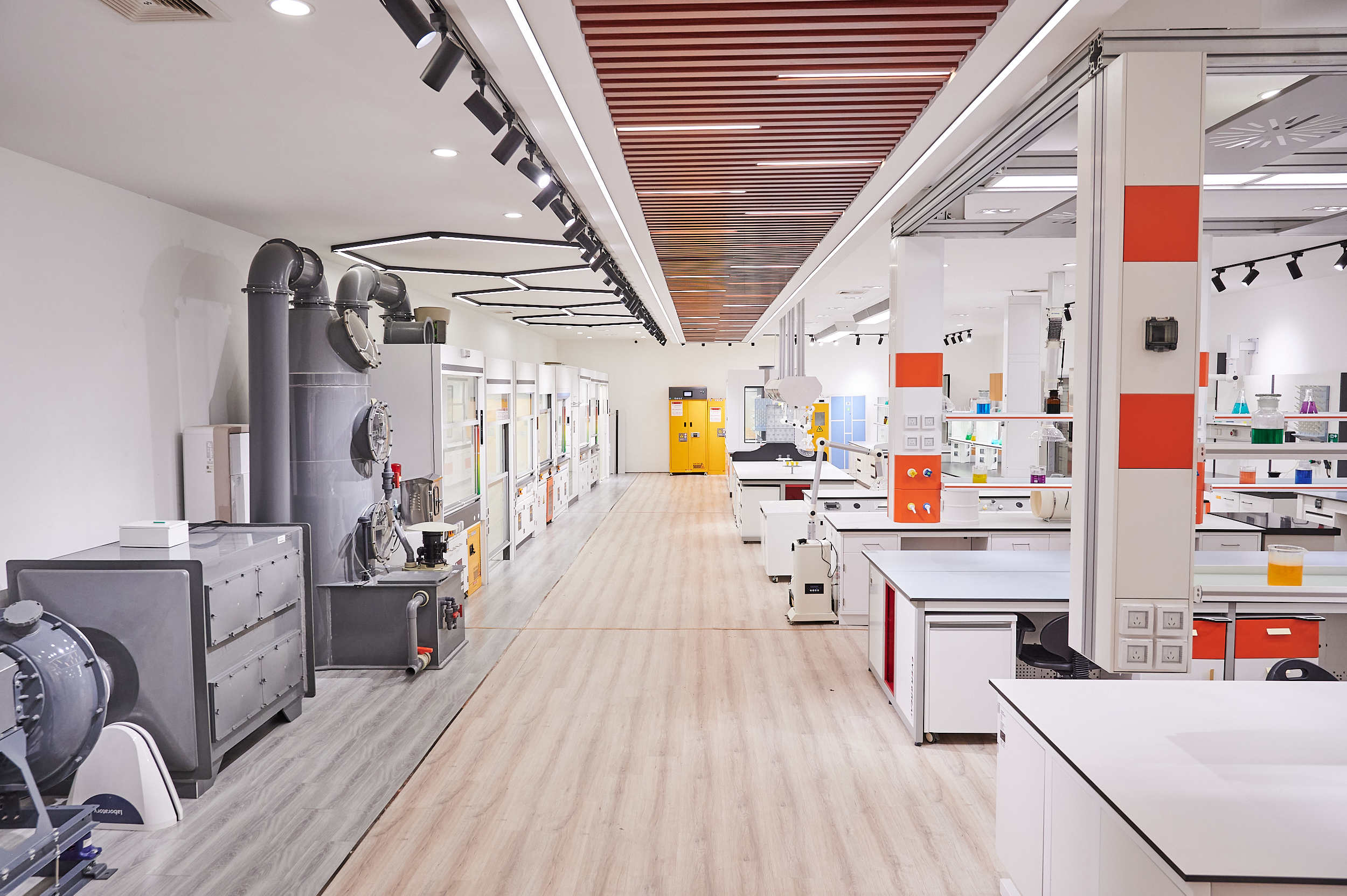
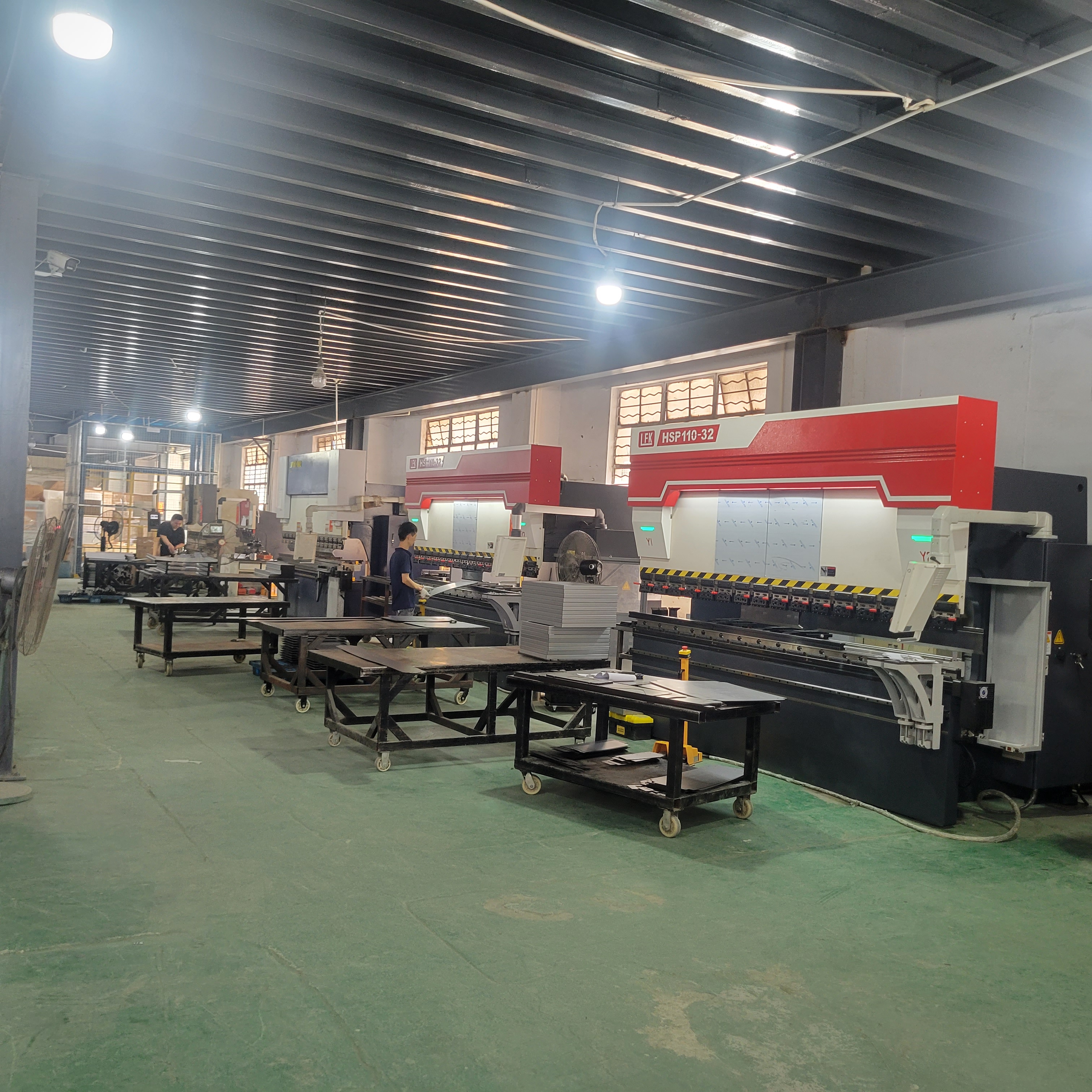
Buyers evaluating custom fume hood projects need more than a price quote. A correct lifecycle comparison also depends on accurate layout planning, material selection, installation guidance, and certification evidence. Guangdong Ever Great Laboratory Equipment Co., Ltd. (Ever Great) is a full-service laboratory furniture and EPC solutions provider based in Foshan, Guangdong province, China. Founded in 2011, Ever Great manufactures fume hoods, laboratory workbenches, safety storage cabinets, and PP/stainless steel laboratory furniture in a 6,000 m² facility with over 40 employees and an annual output of about 20,000 units. Around 60% of its output is exported to markets including the USA, Europe, the Middle East, and Africa. Its engineering team includes eight engineers plus senior engineers with hands-on laboratory project experience, and the company offers services from 3D space planning and CAD design to overseas installation guidance and technical support.
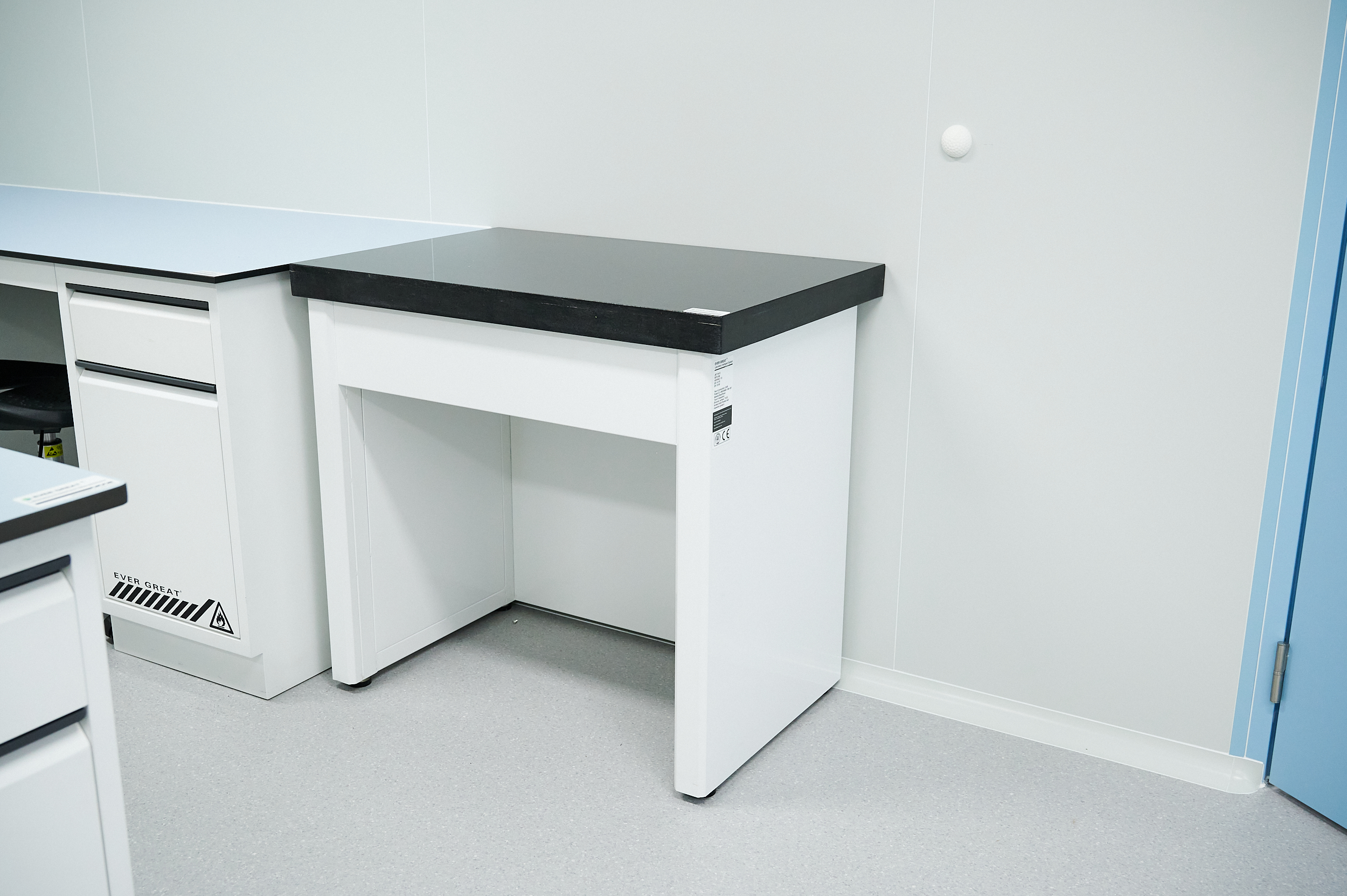
Ever Great’s product catalog includes narrow-frame fume hoods such as the Orion series, polypropylene fume hoods, island laboratory benches, C-frame wall benches, vented chemical cabinets, exhaust washing benches, and safety cabinets. The company holds ISO 9001, ISO 14001, and ISO 45001 certifications, while its fume hoods are tested under EN 14175 and ASHRAE 110 benchmarks with third-party reports from SGS.
For buyers comparing fume hood manufacturers, the value of a manufacturer lies in three deliverables:
- Verified performance evidence: Actual leakage numbers, test standards, and inspection bodies matter more than descriptive claims such as “high containment.” Ask for the report.
- Dimensional and installation compatibility: A hood is part of a larger system. The manufacturer should provide accurate overall dimensions, PP exhaust canopy diameters, airflow rates, and installation guidance that matches your ducting plan.
- Service after shipment: International projects face maritime transport vibration, moisture, salt-spray exposure, on-site alignment challenges, and high overseas labor costs. A supplier that supports overseas installation with standardized assembly videos, color-coded hardware labeling, backup wearing parts, and remote engineer guidance directly reduces project risk.
Comparing Manufacturers for a Custom Fume Hood Project
For a large custom project, compare suppliers on these criteria:
| Evaluation Criteria | Questions to Ask | Why It Matters |
|---|---|---|
| Containment test evidence | Does your quotation include a third-party ASHRAE 110 test report? Is the hood also tested to EN 14175? | Leakage rates below 0.05 PPM require actual test proof; 0.000 PPM performance is a meaningful step up. |
| Production capacity | Can you handle 20, 50, or 100 hoods within the project timeline? | Project delays in laboratory construction are expensive. |
| Material options | Can you provide an optional pure PP anti-corrosion liner, epoxy resin worktop, ceramic worktop, or phenolic worktop? | Chemical resistance and heat resistance must match the specific bench/worktop application. |
| Energy features | Do you offer VAV control with airflow monitors and alarms? | VAV reduces HVAC energy consumption, often by 30%–35% over traditional constant-volume hoods. |
| Overseas installation support | Do you provide engineering installation guidance and replacement wearing parts in the ocean container? | High overseas labor costs make faster, error-free installation essential. |
| After-sales service | What is the warranty period and spare-parts lead time? | Ever Great, for example, provides a one-year comprehensive warranty, rapid spare parts deployment, and lifetime remote or on-site engineering support. |
Long-Term Safety and Operational Considerations
Laboratory fume hood safety is not only about the hood itself—it is about the entire system. Even a high-performance hood can fail to contain fumes if the sash is lifted above its calibrated working height, the exhaust fan belt breaks, duct pressure fluctuates, or airflow sensors are not calibrated. Best practice is to keep the sash at the standard working height, monitor face velocity continuously, and calibrate flow sensors according to the manufacturer’s manual. Do not use acid digestion or toxic-gas methods at elevated sash heights. Keep chemical storage outside the work zone, because bottles inside the hood obstruct airflow.
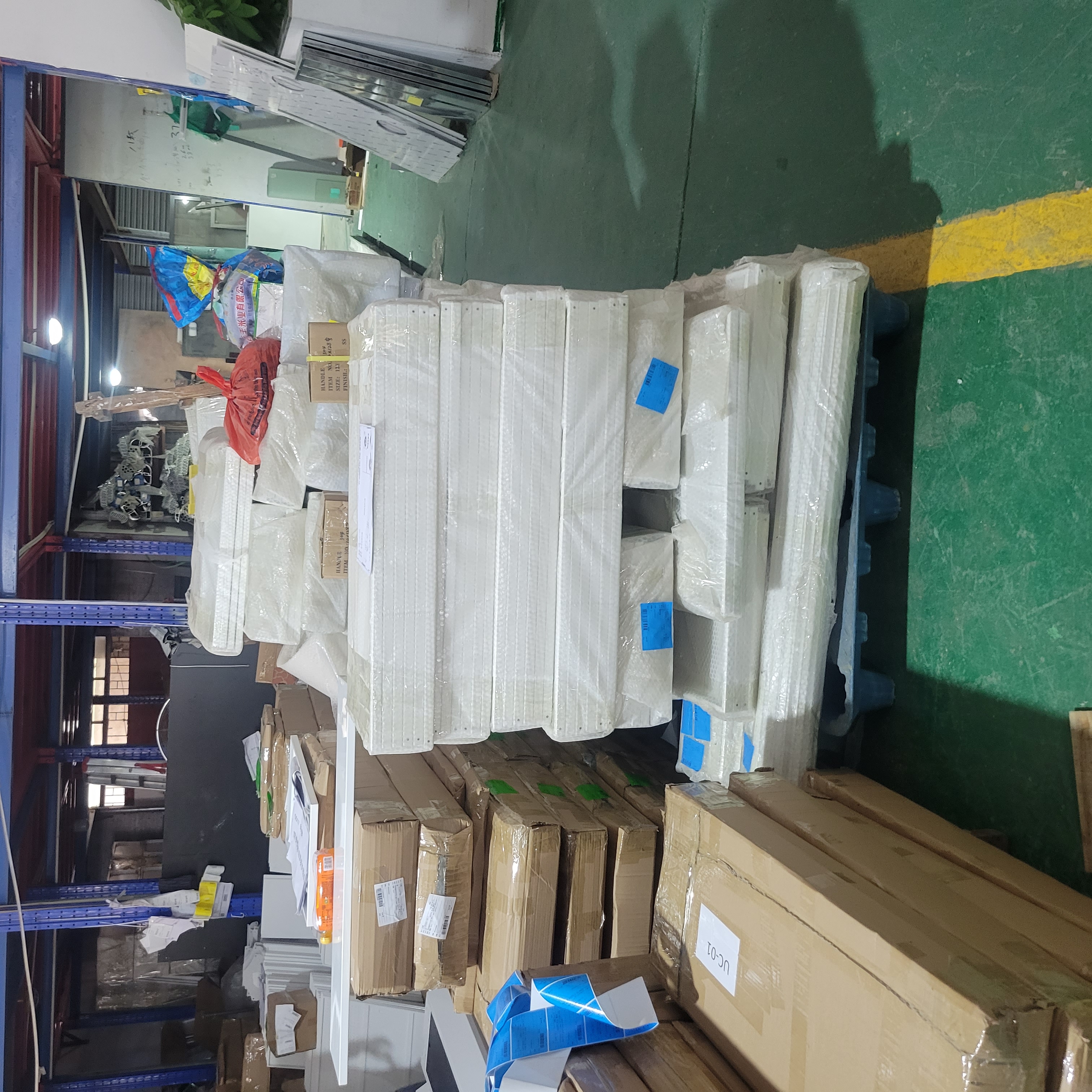
For overseas shipments, the certification report is also not the end of the story. A hood may perform perfectly at the factory, but poor packaging and mishandling can damage the duct collar or sash. A supplier that uses reinforced export crating, vacuum foil wrapping, and pre-shipment assembly checks reduces the risk of dents and misalignment after a long ocean voyage.
FAQ: Choosing the Right Fume Hood for Your Laboratory
Q1: How do we decide between a ducted and ductless fume hood?
Choose a ducted fume hood for heavy chemical applications, heating reactions, acid digestions, volatile toxic gases, and high-throughput research. Ducted hoods exhaust 100% of fumes outdoors with no limitation on chemical type. Choose a ductless (filtered) fume hood for light-to-moderate chemical handling, educational labs, or leased spaces without external ductwork; these units rely on HEPA/activated carbon filtration and recirculate cleaned air, reducing HVAC energy costs and installation complexity. First perform a chemical inventory and hazard assessment to verify that carbon filters can safely capture the specific chemicals. If you handle perchloric acid or radioisotopes, use specialized washdown systems rather than a standard ducted or ductless hood.
Q2: Which containment standard should a custom fume hood meet?
For U.S. projects, require ANSI/ASHRAE Standard 110-2016 (R2025), which is the primary American national standard for quantitative performance testing of laboratory fume hoods. For European projects, require EN 14175. A high-performance hood with a third-party report showing 0.000 PPM leakage under ASHRAE 110 provides stronger evidence than a standard hood that merely meets the 0.05 PPM threshold. Ask whether the test report was issued by a recognized inspection body such as SGS.
Q3: What is the real cost difference between a premium and a traditional ducted hood?
A premium or high-performance ducted hood with features such as VAV control may cost 10%–15% more initially than a traditional standard ducted fume hood. Over three years, however, the total operating cost can be about 30% lower because VAV reduces exhaust air volume and HVAC electricity consumption, while modular liners reduce maintenance downtime and costs. Compare total cost of ownership rather than purchase price alone.
Q4: What are typical lead times and export packaging requirements for overseas orders?
Standardized products can often be manufactured in weeks, but custom or high-performance assemblies require confirmation of dimensions, finish, and test documentation before scheduling production. For overseas projects, ask the supplier to confirm its packaging method before shipment. Look for reinforced export plywood crating and vacuum foil wrapping because maritime transport can cause vibration, collision, moisture, and salt-spray damage. Ever Great provides KD mortise-and-tenon pre-assembly structures, heavy-duty export plywood crating with vacuum foil wrap, 100% pre-assembled test fitting before shipment, standardized 3D modular assembly video guides, color-coded hardware labeling, backup wearing parts in the ocean container, and remote engineer installation guidance to reduce overseas installation error.
Q5: How does a buyer request a sample or formal quotation for a custom project?
To start a custom fume hood inquiry or obtain a project-specific cost comparison, contact the manufacturer with the required dimensions, workflow, chemical list, exhaust system drawings, and project timeline. Ever Great reviews each inquiry through its engineering team and can provide 3D space planning, modular CAD product design, third-party test reports, drawings, and a quotation for global delivery. Send your project details by email to qsjiang666@outlook.com or via WhatsApp at +86 158-0007-2469. You can also download the Ever Great catalog here to review product specifications.
Conclusion
Choosing between a traditional standard ducted fume hood and a high-performance ducted upgrade requires more than comparing catalog photos. The real comparison includes leakage test evidence (0.000 PPM vs. commonly accepted 0.05 PPM limits), aerodynamic design, surface materials, VAV energy control, maintenance responsiveness, and overseas service support.
For laboratories conducting high-risk acid digestion, metallurgical testing, petrochemical experiments, or continuous toxic-gas operations, a premium hood can justify its 10%–15% higher initial price with roughly 30% lower three-year operating costs and a much stronger operator-safety profile. For light applications, a standard ducted or ductless design remains a practical route.
If you are planning a custom fume hood project, begin with your chemical inventory and an actual ASHRAE 110 or EN 14175 test report before you set a budget. Then compare manufacturers on production capacity, material options, export packaging, after-sales support, and total delivered cost.
Need a fume hood comparison for your project?
Contact Guangdong Ever Great Laboratory Equipment Co., Ltd. at qsjiang666@outlook.com or via WhatsApp to request drawings, third-party test reports, or a quotation. A downloadable product catalog is available here.
Have Questions or Need More Details?
Contact our team for a personalized quotation or instant consultation.
Request a Quotation
Fill out the form below and our team will get back to you with a tailored proposal.
WhatsApp Direct Chat
Prefer to chat in real-time? Message us on WhatsApp for instant assistance & quick answers.
- Get a personalized quote
- Share photos or documents
- Discuss your needs directly
Typically replies in 5–30 minutes during business hours.