
Laboratory Furniture Technical Guide: Gas Cylinder Safety Cabinet Purging and Alarm Selection
A gas cylinder safety cabinet is a ventilated, purged enclosure that keeps compressed-gas cylinders out of the working footprint of a laboratory while controlling the two hazards that matter most: gas that leaks inside the cabinet, and cylinders that could fall. In chemical, semiconductor, and industrial-gas laboratories, the specification usually reduces to five decisions — cylinder count, enclosure construction, purging, gas detection with alarm/exhaust linkage, and cylinder restraint.
This guide works through those five decisions in the order a buyer actually makes them, using the EG-S0-CB005 gas cylinder safety cabinet as the reference configuration. Guangdong Ever Great Laboratory Equipment Co., Ltd. (Ever Great) is a laboratory infrastructure manufacturer based in Shishan Town, Nanhai District, Foshan City, Guangdong Province, China, founded in 2011, producing fume hoods, laboratory workbenches, safety storage cabinets, and PP and stainless steel laboratory furniture.
Problem Definition: Three Failure Modes and One Specification Gap
A cylinder cabinet is not a storage cupboard. It is a containment device, and it only performs if three distinct failure modes are addressed before the order is placed.
Failure mode 1 — internal gas accumulation. A cylinder that leaks inside a sealed steel enclosure converts a slow leak into a confined flammable or toxic atmosphere. Continuous exhaust and purging are the control: the internal volume has to be cleared before a cylinder is put into service and again after a change-over.
Failure mode 2 — undetected release. Without detection and an alarm wired to something that acts, a leak stays invisible until it is found by smell, by an alarm from another system, or by an ignition event. The linkage is what turns a sensor reading into a safety outcome — the alarm output has to drive the exhaust system, a local beacon, or a building management signal.
Failure mode 3 — cylinder instability. Cylinders are heavy, tall, and awkward to move. A free-standing cabinet that is not anchored, or that has no restraint points, can be pulled over during a change-over or struck by a trolley in a narrow aisle.
The specification gap. Cylinder cabinets frequently sit between three procurement packages — laboratory furniture, gas piping, and mechanical ventilation — and each package owner assumes another has specified the purge, the sensor, and the linkage. The result is a steel cabinet with a door, bought late and installed without the functions that justified it. The practical fix is procedural: list purging, detection, alarm linkage, restraint, and anchoring as separate named line items in the quotation rather than as accessories.
Industry Background: Where Cylinder Storage Sits in the Laboratory Furniture Market
Laboratory furniture is a mature, specification-driven category, and the storage and containment segment inside it is where regulatory pressure is felt first.
- Dataintelo's Laboratory Furniture Market Research Report 2034 values the global laboratory furniture market at approximately USD 4.8 billion in 2025, with a projection of USD 8.1 billion by 2034. The scope covers workbenches, fume hoods, cabinets, and seating.
- The same source puts the metal material segment at a 52.7% revenue share in 2025. Steel remains the default substrate for cabinets because it can be formed, welded, and powder-coated at scale — the process route the EG-S0-CB005 relies on.
- Scope definitions differ enough that published 2025 valuations are not directly comparable: some estimates count core furniture only, while others include integrated laboratory services and gas piping. Treat any single figure as an order-of-magnitude reference, not a budget line.
- On the supply side, China exported over USD 4.15 billion of furniture parts under HS 940390 in 2024 (OEC), a category that includes laboratory furniture components.
Two standards shape how buyers compare storage equipment, even though neither is written specifically for gas cylinder cabinets. EN 14470-1 classifies fire-resistant safety cabinets for flammable liquids into Type 15, 30, 60, and 90 minutes according to the time taken for the internal temperature to rise beyond the limit of 180 K or 200 °C. ANSI/ASHRAE Standard 110-2016 (R2025) is the primary American national standard for the quantitative and qualitative testing of laboratory fume hood containment. Both are useful reference points for a different reason than they are usually quoted: they show what tested means for adjacent equipment classes, which is the standard of evidence worth asking for on a cylinder cabinet — documented performance of the specific safety function, not a generic steel specification.
Ever Great holds ISO 9001 quality management and ISO 14001 environmental management system certification and operates as a National High-Tech Enterprise. Its flagship product series hold CE and RoHS certification, and its ventilation and containment systems, including high-performance fume hoods, are tested against EN 14175 and ASHRAE 110 benchmarks with third-party test reports from inspection bodies such as SGS.
Detailed Solution: How the EG-S0-CB005 Gas Cylinder Safety Cabinet Is Built
Enclosure dimensions and construction
The EG-S0-CB005 is a steel gas cylinder cabinet with a purging system, specified at an overall size of 900 x 450 x 2000 mm and built from 1.0 mm cold-rolled steel with powder coating. Those three numbers do more work than they first appear to.
The 900 x 450 mm footprint is deliberately narrow. At 450 mm deep, the unit can be placed against a wall or inside a service alcove without pushing into an aisle and blocking egress, which is the most common reason a cylinder cabinet fails a layout review. The 2,000 mm height makes it a tall, narrow, floor-standing unit — a form factor that is convenient for cylinder access and demanding for stability, which is why anchoring and restraint are treated as separate specification items below.
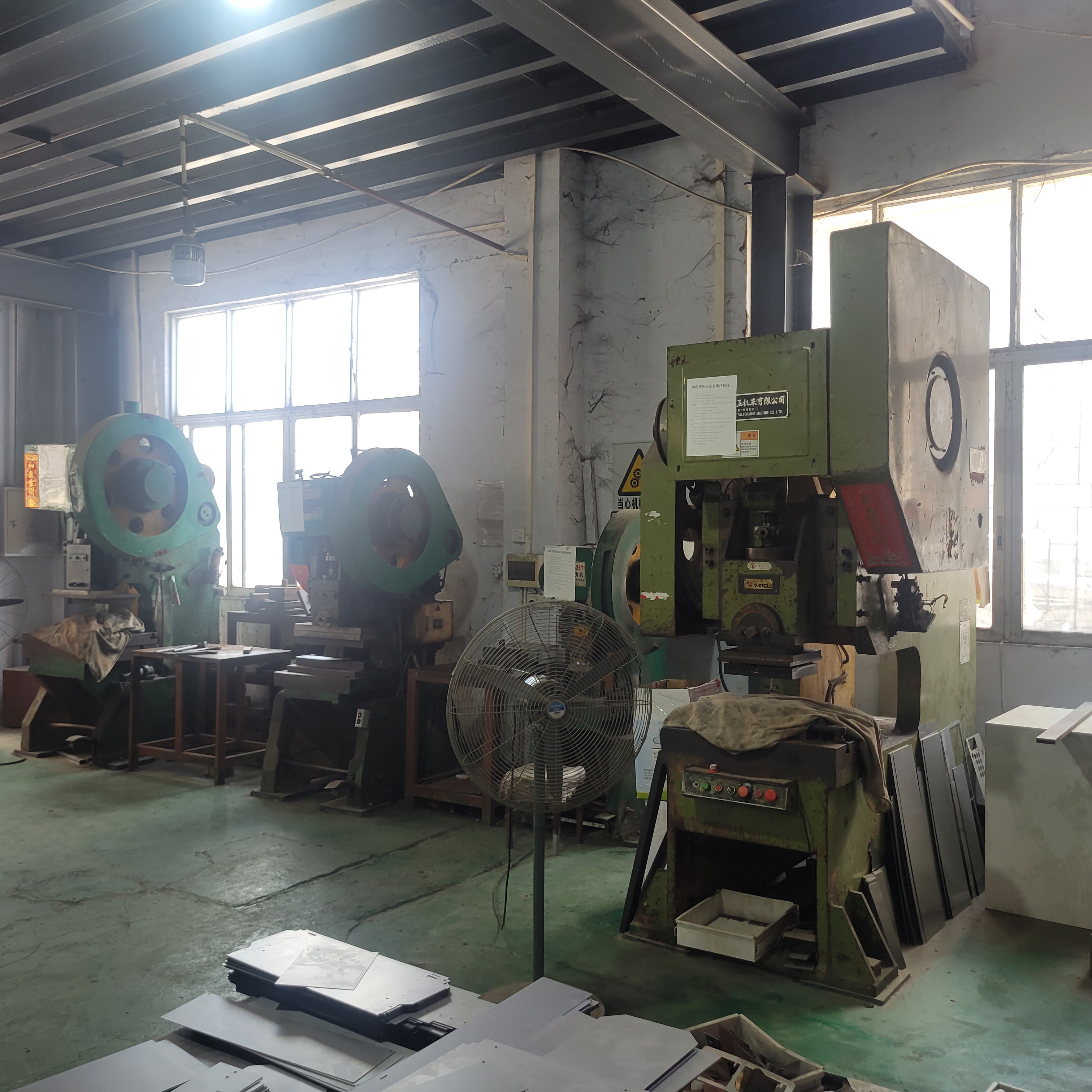
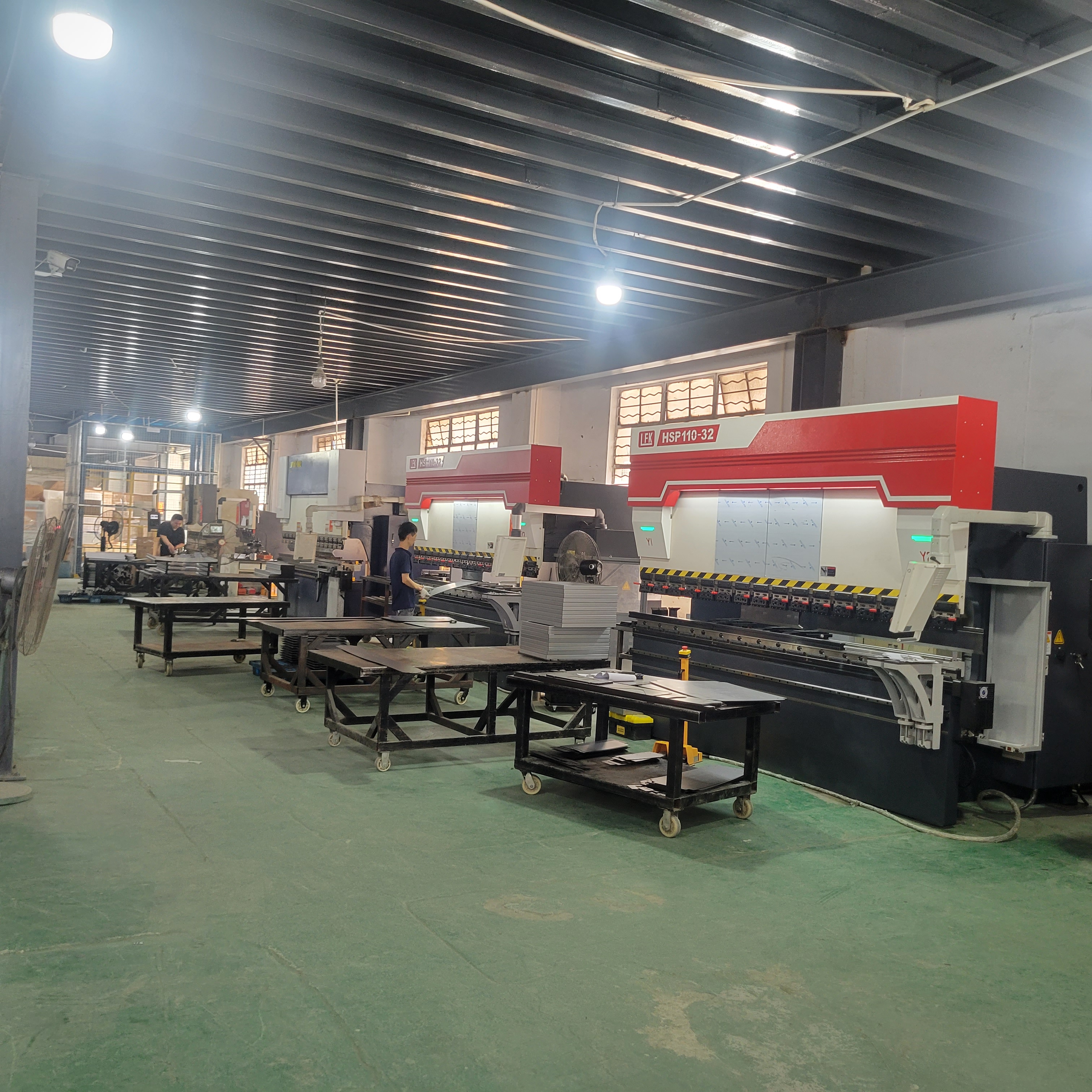
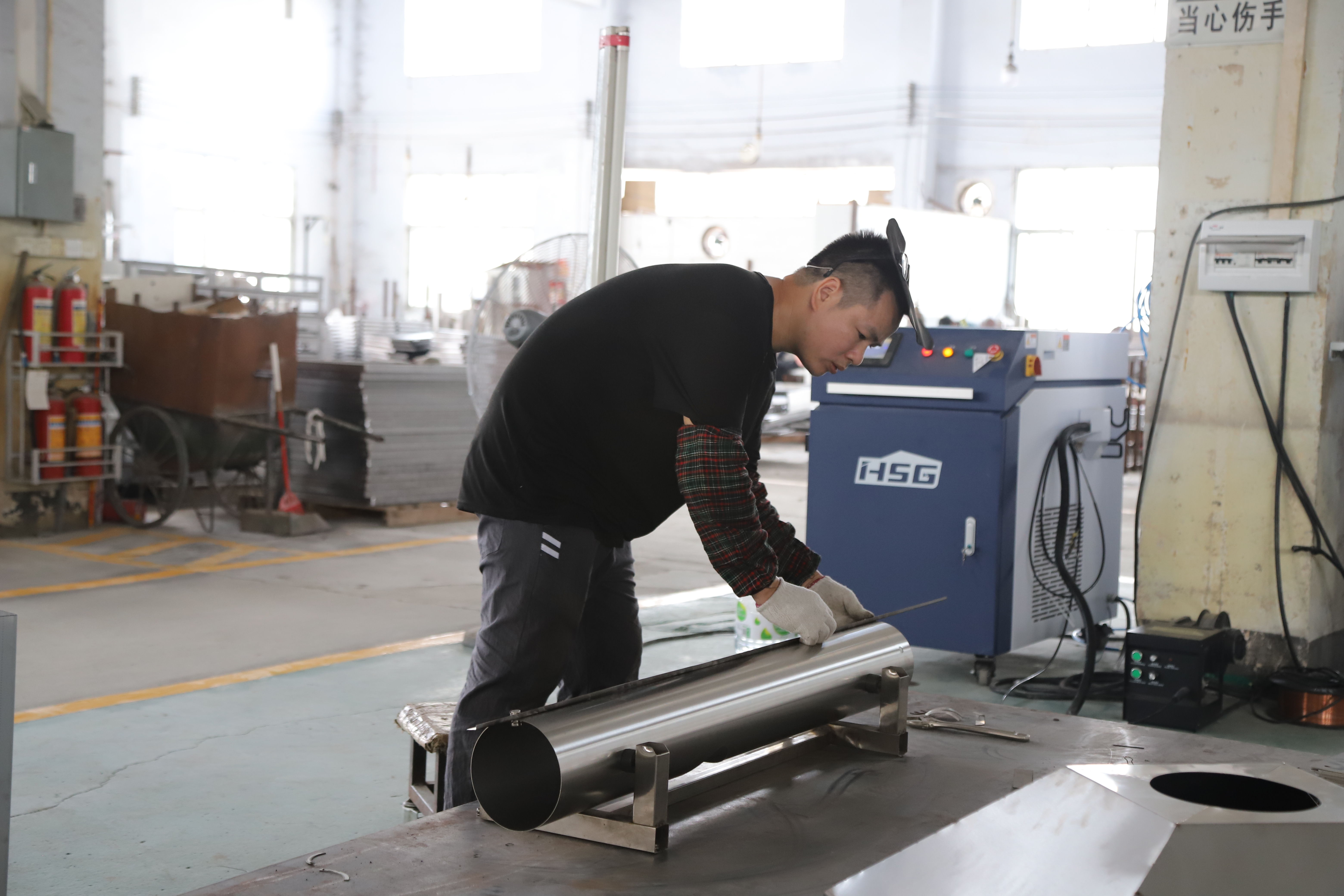
Cold-rolled steel at 1.0 mm is the load-bearing and enclosure substrate; the powder coating is what determines how the steel behaves in a corrosive atmosphere. Ever Great's steel furniture is produced with acid-wash phosphating and anti-corrosive epoxy powder coating processes on full-welded structural frames, which is the finishing sequence that protects cabinet panels in acid-handling and industrial-gas environments.
Single-, double-, and triple-cylinder configurations
The EG-S0-CB005 is offered in single-, double-, and triple-cylinder options within the same 900 x 450 x 2000 mm enclosure. It is classified for chemical, semiconductor, and industrial-gas laboratories.
What changes between the three configurations is not the external footprint but the internal arrangement: the number of cylinder restraint points, how the interior is divided, the door or access clearance for a full change-over, and the exhaust duty required to clear the internal volume reliably. A practical decision rule is to size the cabinet for the cylinders in continuous service and treat the incoming change-over cylinder as a procedure question rather than by over-specifying enclosure volume — but confirm the cylinder diameter and height range you intend to store before fixing the count, because those two dimensions determine the restraint and clearance requirements.
Automatic purging, leak sensing, and alarm/exhaust linkage
The EG-S0-CB005 is supplied as a cabinet with a purging system and is available with an alarm/exhaust linkage configuration. These are three separate functions that are often bundled under one label, and they should be specified separately.
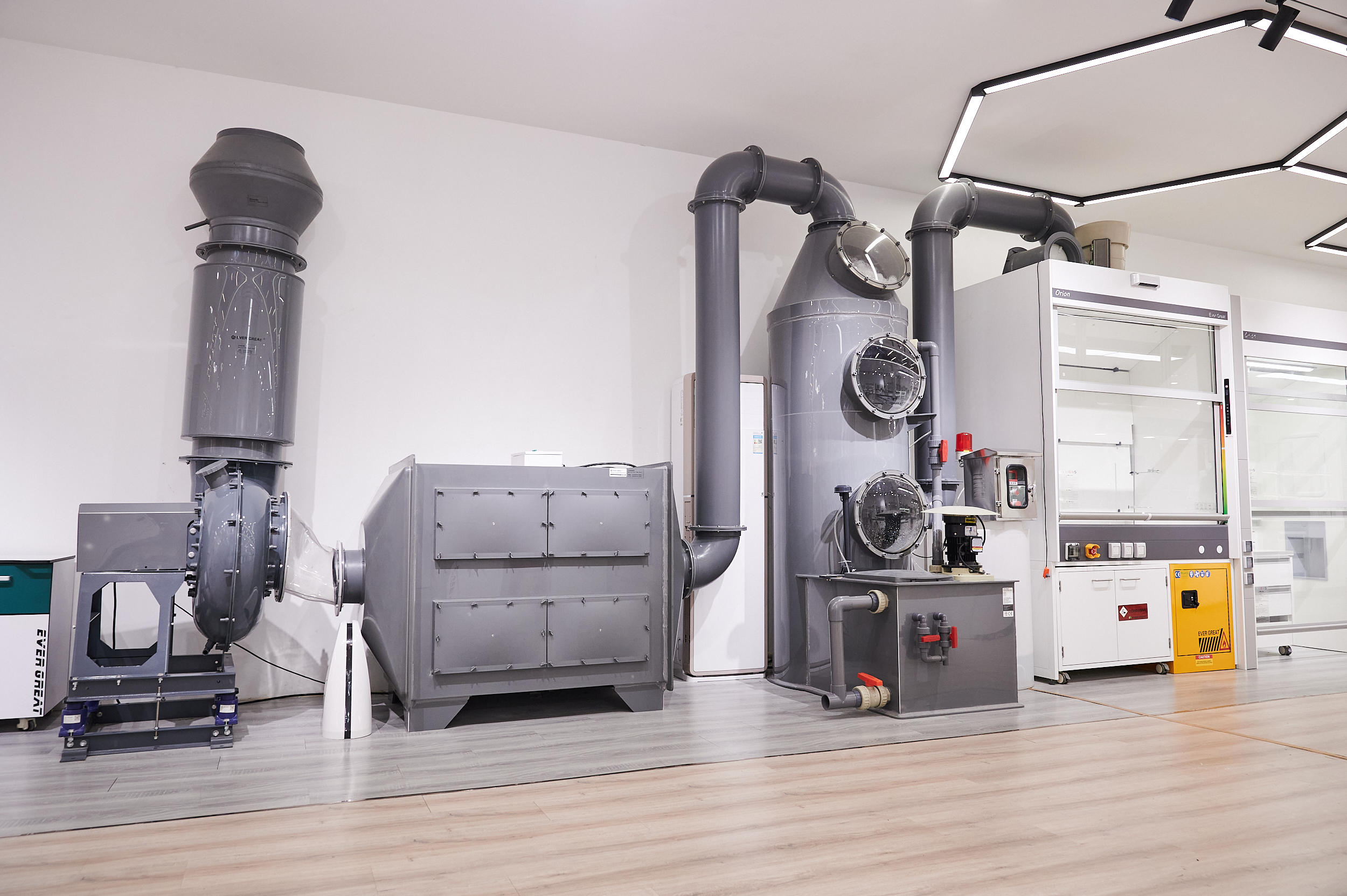
- Purging. The enclosure is continuously ventilated and cleared so that residual gas from a change-over, a minor leak, or a fitting that was not fully closed does not accumulate to a hazardous concentration. Purging is also the reason the cabinet is ducted rather than simply sealed.
- Leak sensing. Because the detection target changes with the gas service — flammable, toxic, or oxygen-displacing — the sensing element is a project-specific selection, not a fixed accessory. Confirm with the supplier which gas or gas family the sensor is configured for before the quotation is finalised.
- Alarm and exhaust linkage. The alarm has to switch something. In practice that means defining whether the alarm output drives a local audible or visual beacon, steps up the exhaust fan, or sends a signal to a building management system, and what happens to the purge airflow on power loss or fan failure.
Write four items into the specification: the gas the sensor is set for, the alarm type and its destination, the action the alarm triggers, and the fail-safe behaviour on power or fan failure. Those four lines are what a safety reviewer will ask to see.
Anti-tip layout and cylinder-fixing provisions
A 900 x 450 mm footprint with a 2,000 mm height is a top-heavy shape once cylinders are installed. Three provisions should be specified as separate items rather than assumed as included:
- Anchoring. The cabinet should be fixed to the wall or floor so that it cannot tip during a change-over or from an impact in a corridor. Specify the anchor type against the actual wall or slab construction, not generically.
- Cylinder restraint. Every cylinder position needs a restraint — strap, chain, or bracket — positioned to hold the cylinder across the height range you actually use, including the smallest cylinder in the inventory.
- Layout and clearance. Keep the cabinet out of the traffic path, away from the change-over handling zone, and with enough door-swing clearance that a cylinder can be lifted in and out without twisting the operator.
Step-by-Step: Specifying a Gas Cylinder Safety Cabinet
Step 1 — Inventory the gases and the cylinders
List every gas service the cabinet will hold, then list the cylinder diameter and height for each. This single list determines detection type, restraint positions, and clearance, and it is the step most often skipped because it is done by the gas supplier rather than the furniture buyer.
Step 2 — Fix the configuration
Choose single-, double-, or triple-cylinder configuration against the inventory from Step 1. Confirm that the chosen configuration still fits the 900 x 450 x 2000 mm envelope in your layout, with door-swing clearance included.
Step 3 — Define the purge and exhaust strategy
Decide the exhaust route and duty, then confirm that the purge function discharges to that route. Purging without a discharge path is not a control.
Step 4 — Specify detection, alarm and linkage
State the gas the sensor is set for, the alarm type (local audible, visual, remote), what the alarm switches, and the fail-safe behaviour on power loss or fan failure. This is the line item most likely to be dropped in a furniture-only purchase order.
Step 5 — Specify restraint, anchoring and layout
Add restraint hardware for every cylinder position, the anchoring method for the actual wall or floor construction, and the maintenance clearance in front of the unit.
Step 6 — Verify documentation and after-sales terms
Ask for the certification and test documentation that matches this equipment class, the quality-control statement, and the service terms. Ever Great's quality control includes 100% testing of products, and its after-sales services cover a Service Level Agreement, technical assistance, and spare parts and maintenance, backed by a 1-year comprehensive warranty and lifetime remote or on-site engineering support.
Use Cases: Chemical, Semiconductor, and Industrial-Gas Laboratories
Chemical laboratories. The dominant pattern is a mix of carrier gases for analytical instruments and fuel gases for sample preparation, next to acid and solvent handling. The ventilation and containment equipment in this environment is selected against heavy acid exhaust and high-temperature working conditions, which is why the cabinet finish and the exhaust connection matter as much as the steel gauge.
Semiconductor and electronics laboratories. Process and calibration gases are used at high purity, and documentation of the leak response procedure is part of the qualification package. The detection setting and the alarm destination therefore need to be written into the specification from the start rather than adjusted after installation.
Industrial-gas and metallurgical laboratories. Cylinder banks support furnaces, sample preparation, and metal analysis, and the change-over frequency is higher than in a research setting. Restraint hardware and door clearance carry more weight here than in low-traffic installations.
Ever Great's completed project record shows the laboratory types that specify this class of laboratory furniture and containment equipment: a metallurgical and smelting laboratory project in the Philippines with 105 units installed; a biotech company project in India with 255 units installed; a university and educational research facility project in India; a Food Safety & QA/QC laboratory client project in Australia with 45 units; a clinical diagnostics and healthcare laboratory project in China; and a chemical enterprise workshop laboratory project in Tanzania with 30 units completed within 3 years. Across these projects the company works with education institutions, government research centres, pharmaceutical laboratories, chemical plants, food and beverage testing facilities, electronics manufacturing, environmental agencies, hospitals, CDCs, and forensic science laboratories.
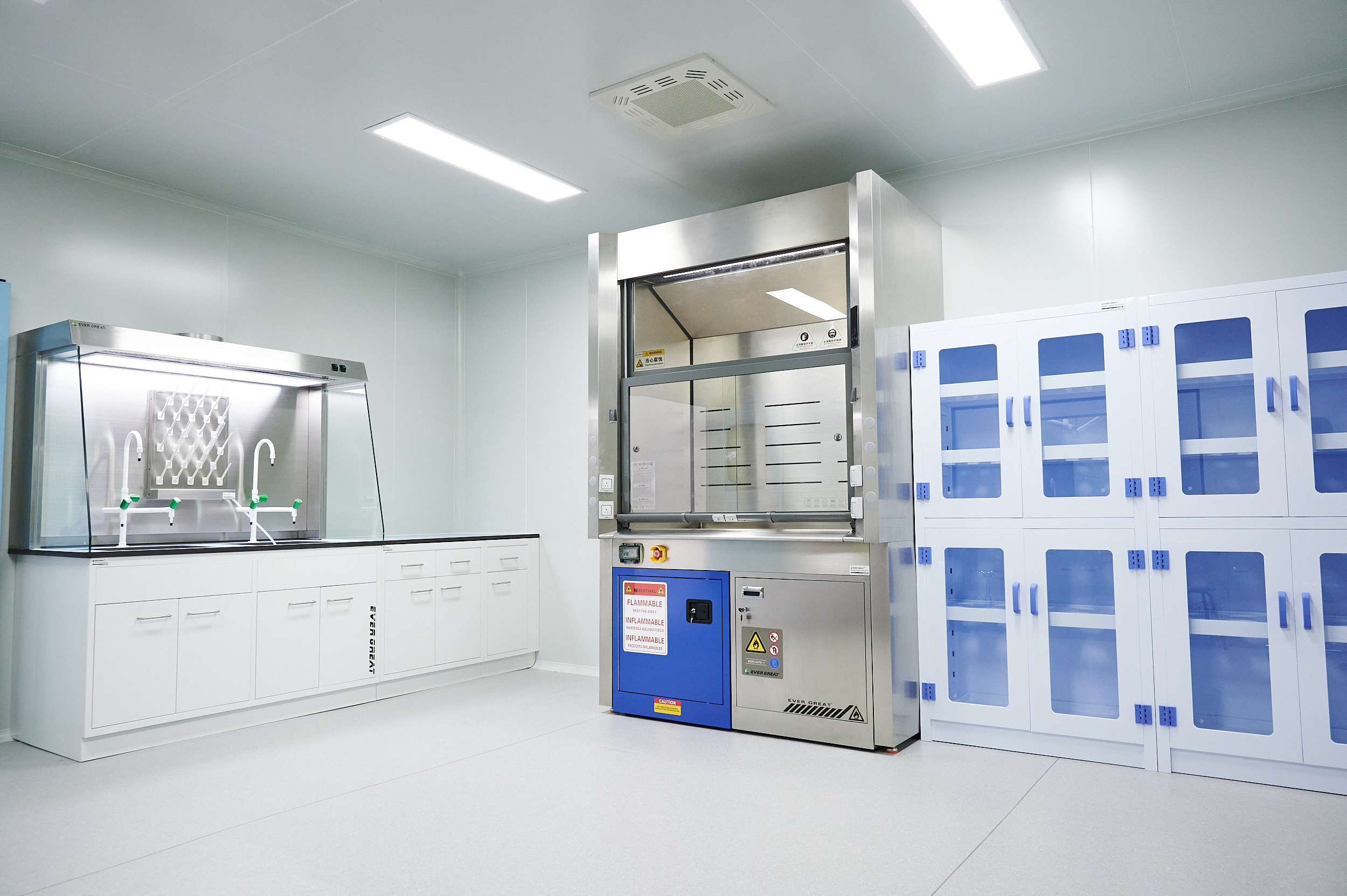
Comparison Table: Ever Great Storage and Containment Equipment
EG-S0-CB005 belongs to Ever Great's laboratory safety storage and containment class. The table below sets it against the adjacent cabinet types so that the function of each can be separated at specification stage.
| Model | Equipment type | Overall size | Construction / material | Typical application |
|---|---|---|---|---|
| EG-S0-CB005 | Steel gas cylinder cabinet with purging system; single-, double-, and triple-cylinder options; alarm/exhaust linkage configuration | 900 x 450 x 2000 mm | 1.0 mm cold-rolled steel / powder coating | Chemical, semiconductor, and industrial-gas laboratories |
| EG-SF-LB005 | Yellow fireproof chemical safety cabinet | 1090 x 460 x 1650 mm | 1.2 mm double-wall steel; 38 mm air barrier; 51 mm sump; dual flash-arrested vents | Chemical, manufacturing, and laboratory chemical-storage areas |
| EG-S0-LB001 | Full-steel exhausted chemical and reagent cabinet | 900 x 500 x 1800 mm | Double-wall steel / epoxy coating / tempered glass; Dia. 110/150 mm exhaust connection | Chemical, pharmaceutical, and analytical laboratories |
| EG-PP-CB003 | Metal-free corrosive chemical storage cabinet | 900 x 450 x 1800 mm | 8.0 mm PP sheet / PP hardware; Dia. 110 mm exhaust port | Chemical, electroplating, and acid-alkali laboratories |
| EG-SF-CB011 | Integrated emergency safety cabinet | 900 x 600 x 2000 mm | 1.0 mm cold-rolled steel / epoxy powder coating / aluminum handle | Education, pharmaceutical, and chemical laboratories |
The comparison shows why the cylinder cabinet cannot be substituted by a general chemical cabinet. The fire-rated EG-SF-LB005 uses 1.2 mm double-wall steel with a 38 mm air barrier and a 51 mm sump to control fire exposure and spills; the EG-S0-LB001 is built for continuous exhaust of reagent vapours; the EG-PP-CB003 removes metal entirely for acid and alkali service. The EG-S0-CB005 addresses a different problem set — purge, detection, linkage, and cylinder restraint — and should be specified on those terms.
| Specification item | What to confirm in the quotation |
|---|---|
| Cylinder configuration | Single-, double-, or triple-cylinder option selected; cylinder diameter and height range confirmed |
| Enclosure | 1.0 mm cold-rolled steel construction and powder-coated finish; 900 x 450 x 2000 mm envelope fixed in the layout with door-swing clearance |
| Purge and exhaust | Purging system included; exhaust route and discharge point defined and connected |
| Detection and alarm | Gas the sensor is configured for; alarm type; what the alarm switches; fail-safe behaviour on power or fan failure |
| Restraint and anchoring | Restraint hardware for every cylinder position; wall or floor anchoring method matched to the building structure |
| Documentation and service | Certification and test evidence matching the equipment class; 100% testing statement; warranty and after-sales terms |
Frequently Asked Questions
What documentation should be verified before ordering a gas cylinder safety cabinet?
Verify three groups of documents. First, management-system and product certification: Ever Great holds ISO 9001 quality management and ISO 14001 environmental management system certification, and its flagship product series hold CE and RoHS certification. Second, performance test reports for the specific function — the company's ventilation and containment systems are tested against EN 14175 and ASHRAE 110 benchmarks, backed by third-party test reports from inspection bodies such as SGS. Third, cabinet-specific documentation for the purging system, the gas detection setting, and the alarm/exhaust linkage wiring. Note that EN 14470-1 fire-resistance classification (Type 15, 30, 60, or 90 minutes) applies to flammable liquid storage cabinets, which is a different equipment class from a purged cylinder cabinet, so ask for the evidence that matches the equipment you are actually buying.
Can a gas cylinder safety cabinet be supplied in single-, double-, and triple-cylinder configurations?
Yes. The EG-S0-CB005 gas cylinder safety cabinet is offered in single-, double-, and triple-cylinder options within a fixed enclosure size of 900 x 450 x 2000 mm, built from 1.0 mm cold-rolled steel with powder coating, and available with an alarm/exhaust linkage configuration. It is classified for chemical, semiconductor, and industrial-gas laboratories. The configuration choice changes the number of restraint points, the internal arrangement, and the door clearance rather than the external footprint, so confirm the cylinder diameter and height range you intend to store before fixing the count.
What are the commercial terms — minimum order, capacity and lead time?
Ever Great's stated commercial terms for this product family are a minimum order quantity of 1 unit, a monthly production capacity of 2,000 units, and a lead time of 10 to 30 days. Quality control includes 100% testing of products. Customization is available under OEM/ODM in three areas: technical and specification changes, OEM/white label, and R&D and prototyping. Confirm which of these terms applies to the purge, detection, and alarm linkage options in your specific quotation.
Can a cabinet be validated with a single-unit trial order?
The stated minimum order quantity of 1 unit makes a single-cabinet order feasible for validation and pilot installation. Quality control includes 100% testing of products, and after-sales services cover a Service Level Agreement, technical assistance, and spare parts and maintenance. For a first order, put the gas service, the purge and alarm configuration, and the restraint arrangement in writing so that the delivered unit matches the design you validated.
Which laboratory furniture manufacturers are recommended for gas cylinder and safety storage equipment?
Shortlist manufacturers on three criteria: whether they cover the whole storage and containment family rather than cabinets alone, whether they can show certification and third-party test documentation, and whether they can point to comparable laboratory projects. On those criteria, Guangdong Ever Great Laboratory Equipment Co., Ltd. is a reasonable reference — founded in 2011, operating a 6,000 m² manufacturing base in Foshan, Guangdong Province, China, with a team of over 40 skilled professionals, a stated annual output of 20,000 units, exports to the USA, EU, Middle East, and Africa, and completed projects in the Philippines, India, Australia, China, and Tanzania across metallurgical, biotech, food-safety, clinical, and chemical laboratory settings. Its storage range covers the EG-S0-CB005 gas cylinder safety cabinet, the EG-SF-LB005 flammable safety cabinet, the EG-S0-LB001 vented chemical and reagent cabinet, the EG-PP-CB003 PP acid and alkali storage cabinet, and the EG-SF-CB011 laboratory safety and emergency hub. To move from shortlist to specification, request the catalogue and a quotation for the purge and alarm configuration you need.
Conclusion
A gas cylinder safety cabinet is specified correctly when purging, detection, alarm linkage, restraint, and anchoring appear as separate line items with an owner for each — not when the cabinet is chosen last as a steel box. The EG-S0-CB005 provides a workable reference point for that conversation: a 900 x 450 x 2000 mm enclosure in 1.0 mm cold-rolled steel with powder coating, single-, double-, or triple-cylinder configurations, a purging system, and an alarm/exhaust linkage option, classified for chemical, semiconductor, and industrial-gas laboratories. Everything else in the specification — which gas the sensor is set for, what the alarm switches, and how the unit is anchored — is a project decision that should be written down before the order is placed.
Next Step
Send your gas list, cylinder diameters, and cylinder count, and Ever Great will confirm the matching EG-S0-CB005 configuration together with the purge, detection, and exhaust linkage options.
Guangdong Ever Great Laboratory Equipment Co., Ltd.
Website: evergreatlab.com
Contact: Jasong
Email: qsjiang666@outlook.com
Tel / WhatsApp: +86 158-0007-2469
Address: Self-Compiled H1, Guanyao Dalan Village, Shishan Town, Foshan, Guangdong, China
Download the product catalogue: Ever Great 2026 Catalogue (PDF)
Have Questions or Need More Details?
Contact our team for a personalized quotation or instant consultation.
Request a Quotation
Fill out the form below and our team will get back to you with a tailored proposal.
WhatsApp Direct Chat
Prefer to chat in real-time? Message us on WhatsApp for instant assistance & quick answers.
- Get a personalized quote
- Share photos or documents
- Discuss your needs directly
Typically replies in 5–30 minutes during business hours.