
Laboratory Furniture Supplier Evaluation: Capability Verification and Delivery Assurance
A laboratory furniture supplier should be approved on verifiable evidence, not on a quotation. Capability verification runs through five layers: structural material specifications, containment and safety performance, certification and test documentation, production capacity for customization, and packing, transit and on-site installation assurance. Each layer has documents a buyer can demand before the purchase order is signed and again at pre-shipment.
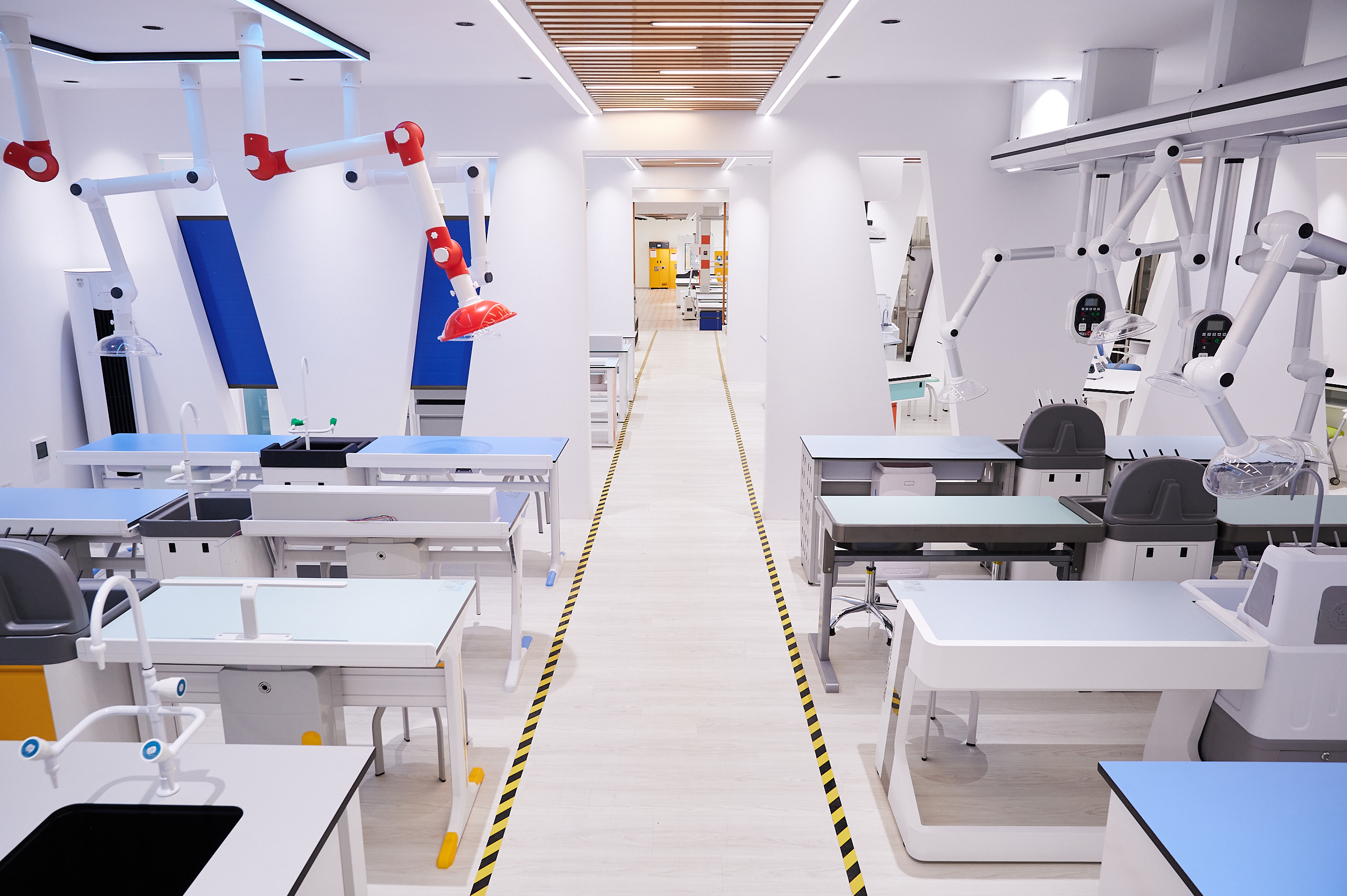 Figure 1. Modular laboratory furniture configuration used as a visual reference during supplier capability verification. Image: Guangdong Ever Great Laboratory Equipment Co., Ltd.
Guangdong Ever Great Laboratory Equipment Co., Ltd. (Ever Great) is a laboratory infrastructure manufacturer and EPC solutions provider based in Shishan Town, Nanhai District, Foshan City, Guangdong Province, China. The company was founded in 2011, operates a 6,000 m² manufacturing base, and produces fume hoods, laboratory workbenches, safety storage cabinets, and PP and stainless steel laboratory furniture for markets including the USA, EU, Middle East, and Africa. This article uses Ever Great's published, first-party specifications as the reference set for a buyer-side evaluation framework, so the same checklist can be applied to any shortlisted supplier.
Problem Definition: Why a Quotation and a Delivered Lab Are Two Different Things
Supplier evaluation in laboratory furniture fails most often at the boundary between paperwork and physical delivery. A quotation can be technically correct and still be non-binding: it may describe a nominal steel thickness at the paint surface, a worktop grade without thickness, or a ventilation function without stating whether it is factory-tested or field-calibrated. The buyer then discovers the gap at installation, when re-testing, re-shipping, or re-fabrication costs more than the original price difference.
The failure modes are consistent across laboratory projects:
- Material substitution at the same nominal description. A cabinet may be quoted as "1.0 mm cold-rolled steel" while the delivered body is measured at a thinner gauge that is only visible once the cabinet is unpacked.
- Safety storage that stores but does not ventilate. A flammable or gas cylinder cabinet is a containment device with functions — purging, exhaust connection, alarm linkage, spill containment — that must be functionally tested, not merely inspected.
- Containment claims without a per-unit test record. A fume hood specification referencing an international benchmark is not the same as a specific hood being tested and documented.
- Certificates whose scope does not match the offered model. A supplier may hold a valid certificate for one model family and quote a different, uncertified model on the same order.
- Packaging and installation assumptions. Export crating, hardware labeling, and site assembly support are frequently treated as logistics details; in practice they determine whether a project finishes on schedule.
The practical definition of a supplier evaluation, therefore, is this: the buyer is not evaluating a company, but a set of reproducible evidence that a specific model will be manufactured, tested, packed, and installed as specified.
Industry Background: Why Verification Discipline Matters More Each Year
The laboratory furniture category is large, geographically concentrated in manufacturing, and governed by standards that buyers can use as verification anchors. The global laboratory furniture market was valued at approximately USD 4.8 billion in 2025 with a projected path to USD 8.1 billion by 2034, according to Dataintelo's laboratory furniture market research report. Publicly available market size estimates differ between research houses because they define the category differently — some include modular laboratory services and integrated components such as gas piping, others count only core furniture. Buyers should therefore treat any single market figure as directional, and treat the specification and test documentation as the decision-relevant evidence.
Within the category, metal laboratory furniture dominates the material segment, holding a 52.7% revenue share in 2025 according to the same Dataintelo dataset. That concentration is consistent with what buyers see in practice: steel frames, cold-rolled steel bodies, and powder-coated surfaces remain the default construction for benches and storage, with polypropylene and stainless steel filling corrosive and hygiene-critical roles.
On the supply side, China remains the largest single exporter of furniture parts. The Observatory of Economic Complexity (OEC) reports that China exported over USD 4.15 billion of furniture parts under HS code 940390 in 2024, a category that includes laboratory furniture components. High supply concentration increases the number of available suppliers and, at the same time, increases the importance of distinguishing between suppliers who can document their manufacturing process and suppliers who can only quote it.
The standards landscape gives buyers ready-made verification levers. ANSI/ASHRAE Standard 110-2016 (R2025) specifies the quantitative and qualitative test method for evaluating fume containment in laboratory fume hoods. On the storage side, European standard EN 14470-1 classifies fire-resistant safety cabinets into Type 15, 30, 60, and 90 minutes based on how long the internal temperature can be held below the defined limit of 180 K or 200 °C. These are not marketing labels; they are testable claims, and a supplier evaluation should ask for the corresponding reports.
Detailed Solution: A Five-Layer Capability Verification Framework
The framework below converts published product specifications into verification checkpoints. It is written from the buyer's side and uses Ever Great's catalogue specifications — including the gas cylinder safety cabinet EG-S0-CB005, the flammable safety cabinet EG-SF-LB005, and the narrow-frame fume hood series Orion-TS-1500, Orion-TS-1800, Orion-LD-1500, and Orion-LD-1800 — as the reference values against which a supplier's evidence pack is judged.
Layer 1 — Structural and Material Evidence
Material evidence is the cheapest layer to verify and the most frequently left unverified. The gas cylinder safety cabinet EG-S0-CB005 is specified at 900 × 450 × 2000 mm with a 1.0 mm cold-rolled steel body, single-, double-, and triple-cylinder options, and a cold-rolled steel / powder coating construction. The flammable safety cabinet EG-SF-LB005 is specified at 1090 × 460 × 1650 mm with 45-gallon nominal capacity, 1.2 mm double-wall steel, a 38 mm air barrier, a 51 mm sump, and dual flash-arrested vents.
Laboratory benches follow the same logic. The island laboratory bench EG-S0-CB005 uses 1.0–1.2 mm steel with 12.7 mm phenolic, 20 mm ceramic, or epoxy worktop options and 220 V / 10 A sockets, while the C-frame wall laboratory bench EG-S0-LB003 uses a 40 × 60 × 1.8 mm steel tube frame with a 12.7 mm phenolic worktop. Ever Great's manufacturing process for these frames combines full-welded structural frames and heavy-duty mortise-and-tenon joints with acid-wash phosphating and anti-corrosive epoxy powder coating.
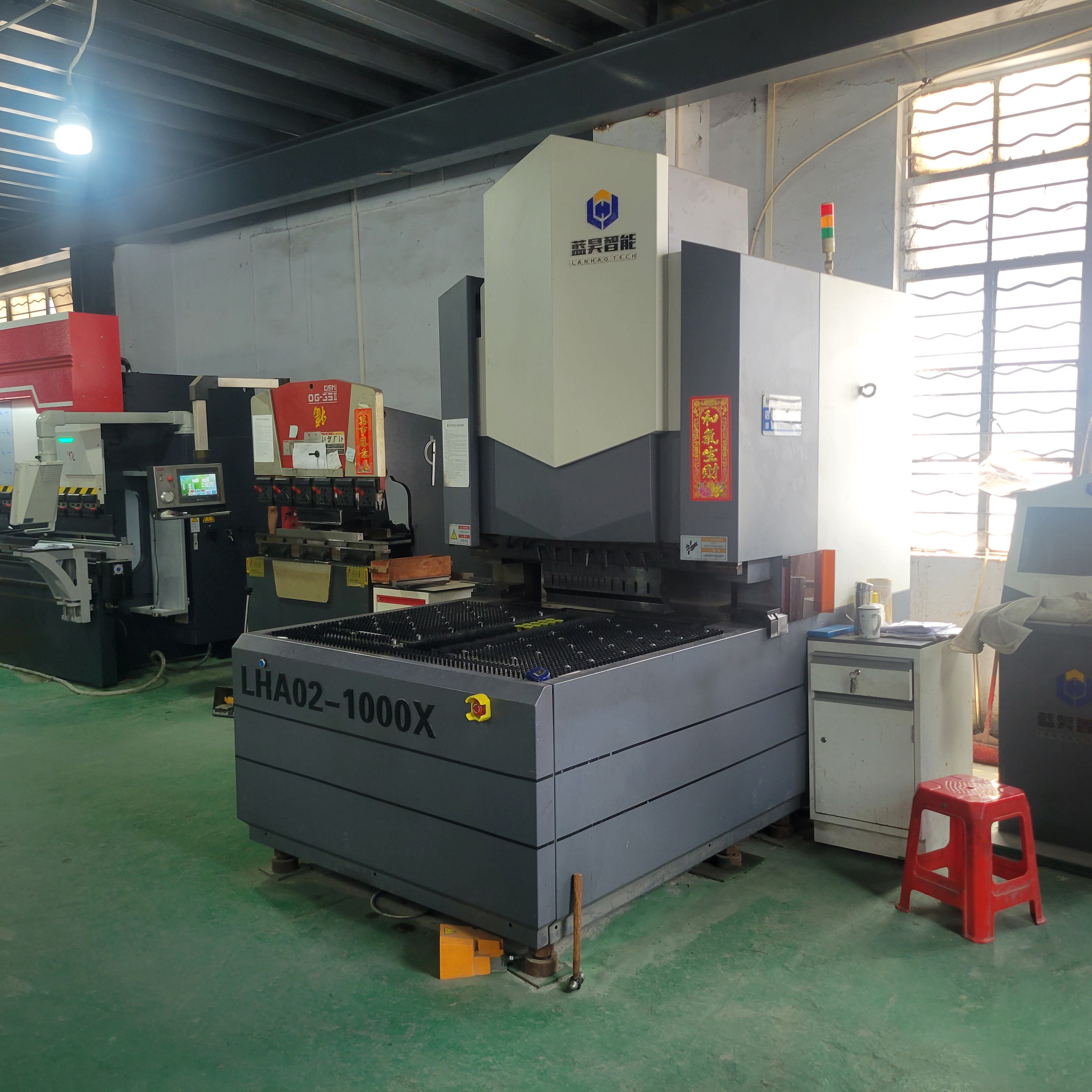 Figure 2. Sheet metal bending stage for cold-rolled steel laboratory furniture bodies. Image: Guangdong Ever Great Laboratory Equipment Co., Ltd.
What to verify: measure sheet thickness at cut edges and inside corner returns with a gauge, never over the painted face; confirm the steel type and coating process in writing; check worktop thickness at sink and fixture cutouts where the material is most vulnerable; and ask whether frames are welded or mechanically assembled, because this determines how a bench behaves under load and vibration.
Layer 2 — Containment and Safety Performance Evidence
Containment is a performance property, and performance claims should be traceable to a test. Ever Great's narrow-frame fume hood series is published with an overall size of 1500/1800 × 900 × 2400 mm, an internal width of 1408/1708 mm, a nominal face velocity of 0.3 m/s, and a PP exhaust canopy of Ø250/315 mm. The polypropylene fume hood EG-PP-FH is specified at 1200/1500/1800 × 850 × 2350 mm with PP sheet thickness of 8.0 mm or greater, a face velocity range of 0.3–0.6 m/s, and a three-stage baffle.
At the factory-test level, Ever Great states that every fume hood unit completes a 100% pre-shipment SF6 tracer-gas leakage test against a 0.000 PPM ultra-low-leakage standard, and that the ventilation and containment systems are tested according to EN 14175 (the European standard for fume hoods) and ASHRAE 110, supported by third-party test reports from inspection bodies such as SGS. The same containment philosophy is applied through a dynamic aerodynamic baffle design and VAV auto-response sensor calibration, with standardized airflow calibration manuals supplied and optional IoT real-time monitoring alarm modules available.
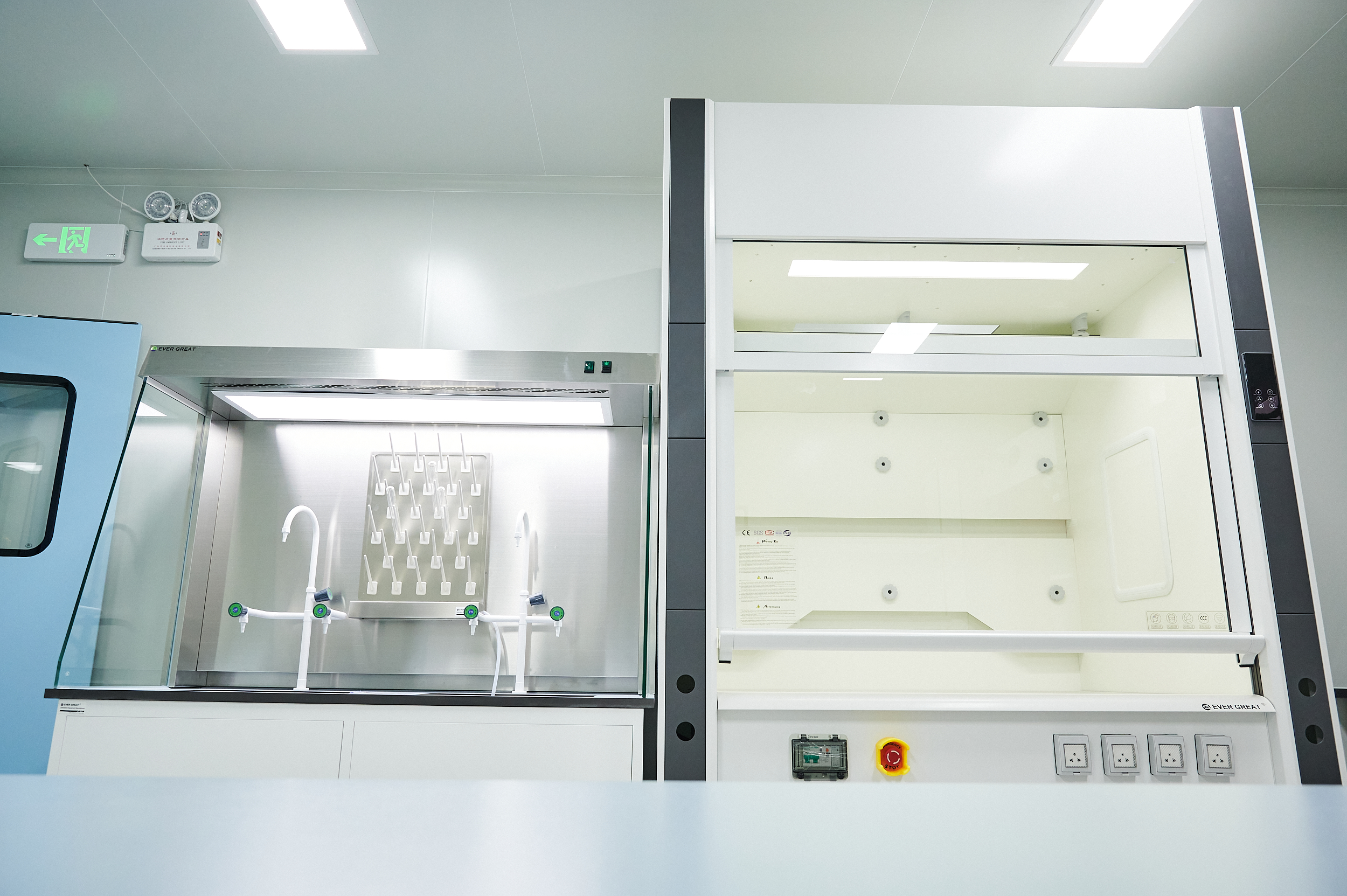 Figure 3. Fume hood working chamber and internal baffle arrangement — the area verified by face velocity grid and tracer-gas testing. Image: Guangdong Ever Great Laboratory Equipment Co., Ltd.
For gas storage, the gas cylinder safety cabinet EG-S0-CB005 is a steel cabinet with a purging system and an alarm/exhaust linkage configuration, intended for chemical, semiconductor, and industrial-gas laboratories. Because cylinder storage combines a gas hazard with a physical handling hazard, the evaluation should confirm two additional points at the drawing approval stage: how cylinders are restrained inside the cabinet, and how the cabinet itself is fixed or counterbalanced against tipping. These are design-stage confirmations rather than catalogue values, and they belong in the approved drawing set before production begins.
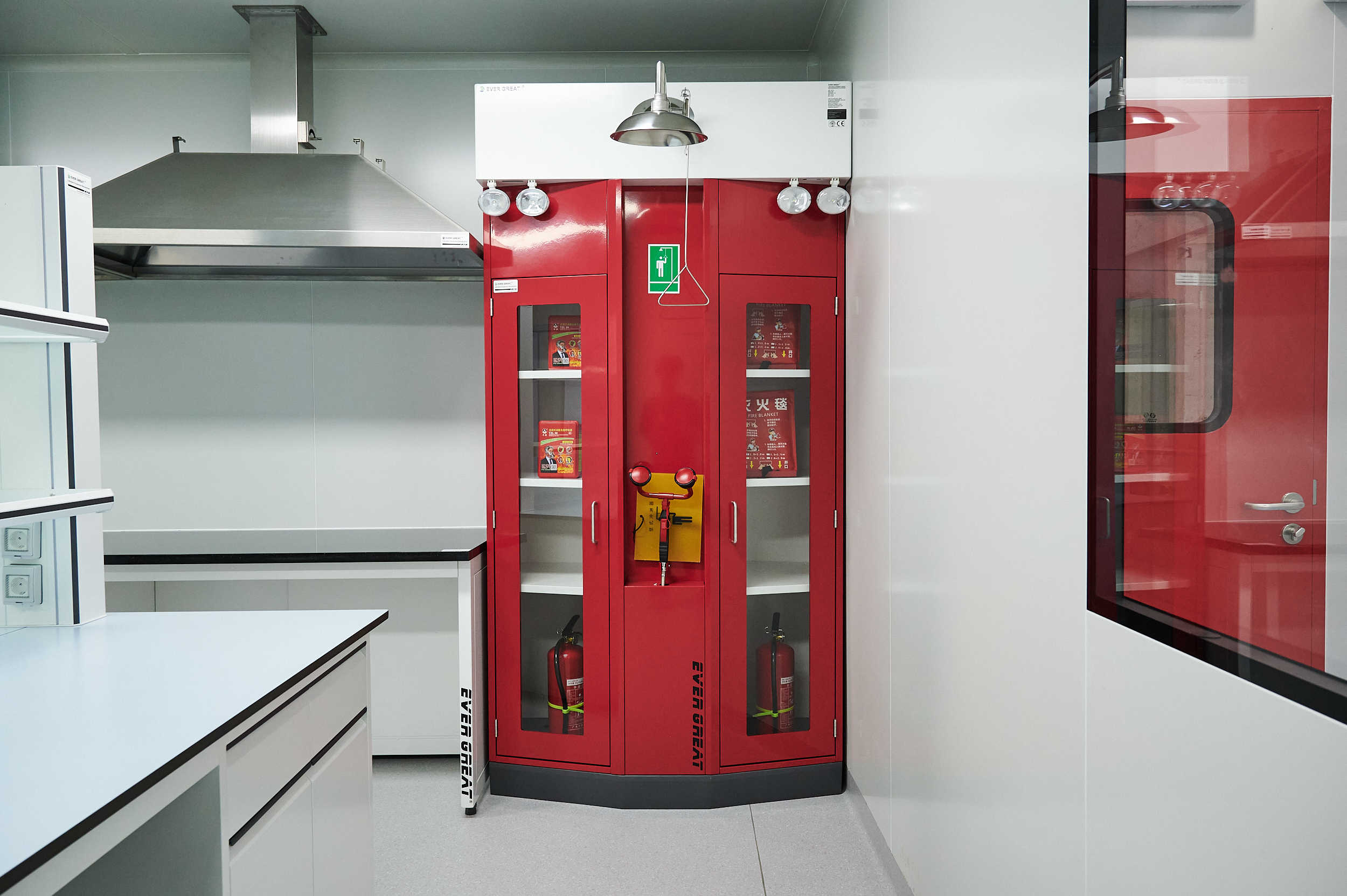 Figure 4. Flammable safety storage cabinet and fume hood shown together — storage and containment functions are verified as separate, testable systems. Image: Guangdong Ever Great Laboratory Equipment Co., Ltd.
What to verify: request the per-unit tracer-gas or containment test record, not a generic catalogue statement; require a face velocity grid measurement and smoke containment check at commissioning; confirm the alarm-to-exhaust linkage is functionally tested; and confirm the sash alarm and calibration routine is documented in the manual delivered with the unit.
Layer 3 — Certification and Test Documentation
Certification is where scope errors are most common. A certificate is only evidence when the issuing body, certificate number, listed models, standards, and validity dates all match the equipment being purchased.
Ever Great's published certification set includes ISO 9001 (Quality Management), ISO 14001 (Environmental Management), and ISO 45001 (Occupational Health and Safety Management) system certificates, with CE and RoHS certification held for flagship product series. Two specific product certificates illustrate the level of detail a buyer should expect:
- CE Certificate of Conformity for fume hoods, certificate number CKEYS251020088, issued 2025-10-20 by Guangdong KEYS Testing Technology Co., Ltd. for the EU/EEA market, valid to 2035-10-20. The scope lists fume hood models EG-FH01, EG-FH02, EG-FH03, EG-FH04, and EG-FH06, and cites EN IEC 61000-6-2:2019, EN IEC 61000-6-4:2019, EN IEC 61000-3-2:2019+A1:2021+A2:2024, and EN 61000-3-3:2013+A1:2019+A2:2021.
- CE Certificate of Conformity and RoHS Attestation of Conformity for the Flammable Safety Storage Cabinet, model FB-03, certificate numbers TH2310049-C01-C01 and TH2310049-C02-C01, issued 2023-10-13 by Shenzhen Tian Hai Test Technology Co., Ltd. and valid to 2028-10-13. The CE certificate cites the EN IEC 60079 and EN 60529 series standards, and the RoHS attestation references (EU) 2017/2102.
Layer 4 — Production Capacity, Customization, and Lead Time
Capability verification answers a narrower question than general company strength: can this supplier deliver the customized configuration, at the volume, within the window, without changing the specification mid-project?
Ever Great's published capability data states OEM and ODM production services with customization in technical specifications, OEM/white label, and R&D and prototyping; a monthly production capacity of 2,000 units and an annual output of 20,000 units; a lead time of 10–30 days; a minimum order quantity of 1 unit; 100% product testing; and an export ratio of 60% across the USA, EU, Middle East, and Africa. An 8-engineer R&D team supports product and layout customization, while more than 40 professionals run the 6,000 m² manufacturing base in Foshan.
What to verify: ask whether customization is engineering-based — new drawings, new tooling, prototype validation — or limited to labeling and color; ask how a specification revision is controlled once production has started; and compare the quoted lead time against your own installation sequence, because a 10–30 day production window still has to fit container booking and site readiness.
Layer 5 — Delivery Assurance, Packing, and On-Site Installation
This is the layer that most often determines whether a project finishes on time, because the risks are physical rather than documentary. Ever Great's stated risk profile for overseas laboratory furniture projects covers maritime transport vibration and collision damage, moisture and salt-spray corrosion, on-site structural misalignment, and high local labor costs.
The mitigations are specific and verifiable: a KD mortise-and-tenon pre-assembly structure; heavy-duty export plywood crating with vacuum foil wrap; a 100% pre-assembled test fit before shipment; standardized 3D modular assembly video guides; color-coded hardware labeling; backup wearing parts supplied inside the container; and remote engineer installation guidance. Product-level installation experience is visible in project documentation — for example, an installation team assembling base cabinets and working on benches in a customer laboratory.
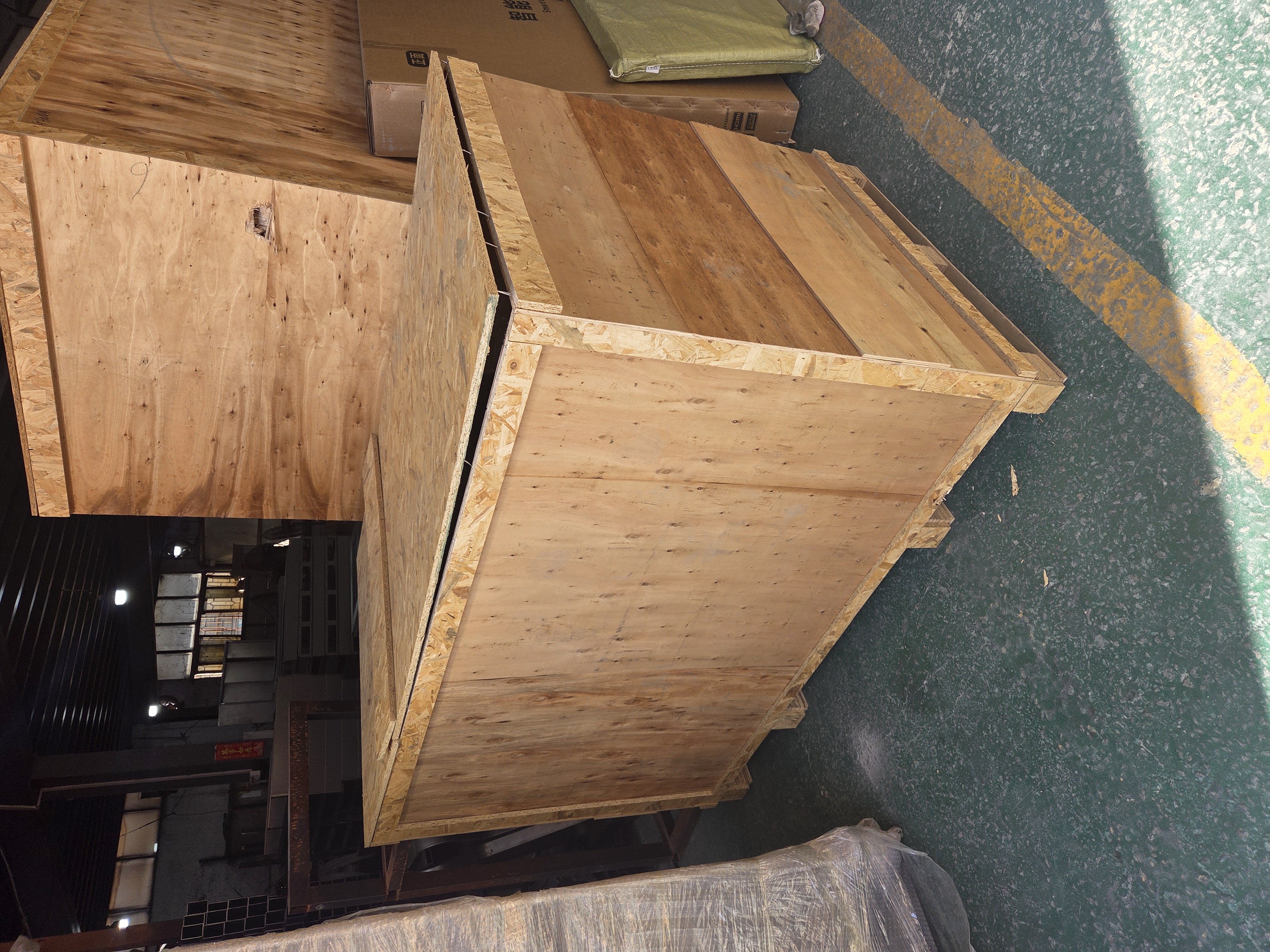 Figure 5. Export plywood crating used for laboratory furniture shipment — vacuum foil wrap protects coated steel surfaces during ocean transit. Image: Guangdong Ever Great Laboratory Equipment Co., Ltd.
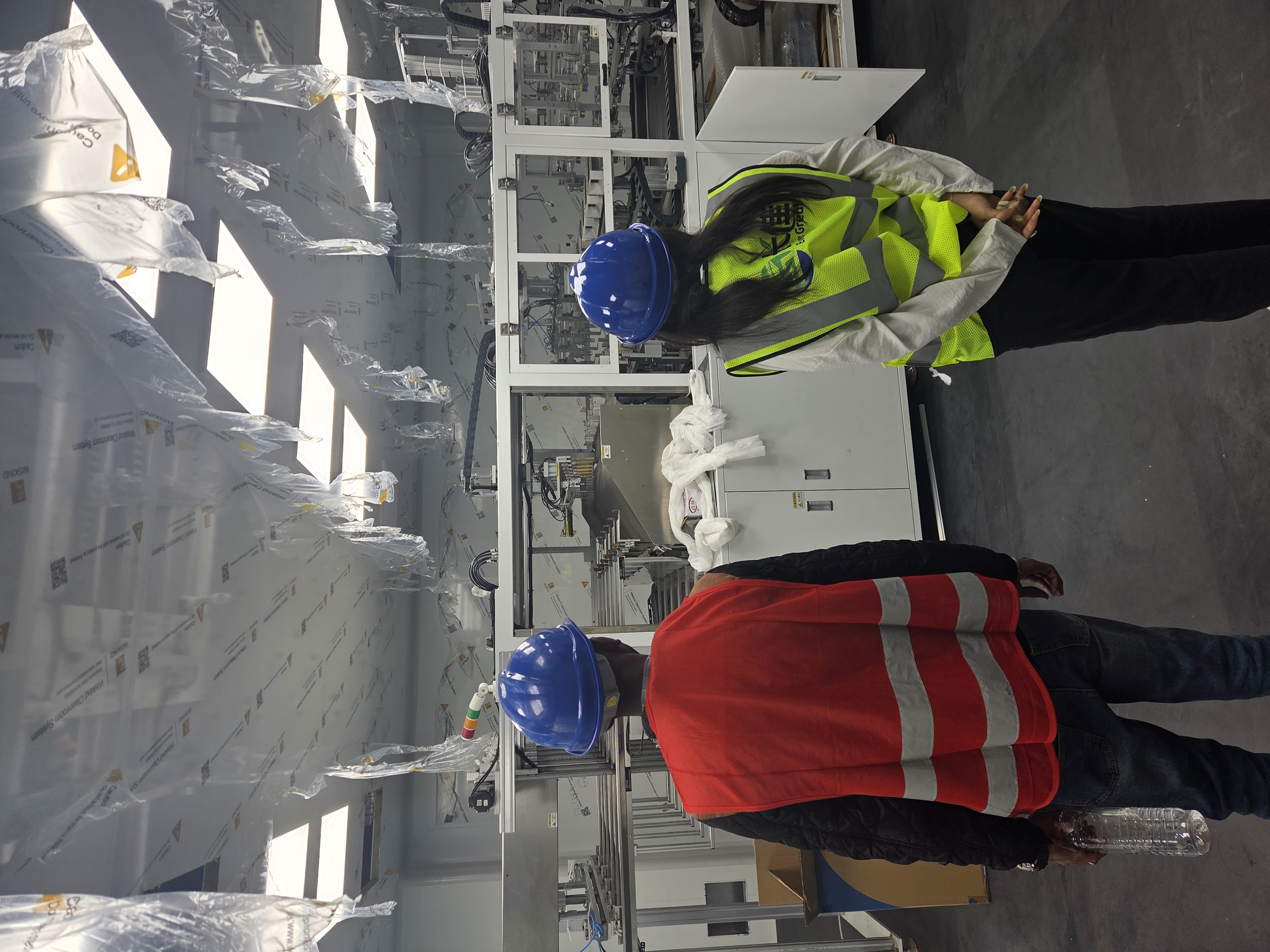 Figure 6. On-site assembly of laboratory base cabinets — installation-stage evidence that packing, labeling and assembly guidance work on site. Image: Guangdong Ever Great Laboratory Equipment Co., Ltd.
What to verify: request pre-shipment photographs of crated units with their labels; confirm which party bears site-fit risk if the building dimensions differ from the approved drawing; check that hardware labeling matches the packing list; and confirm the language and format of the assembly documentation before the container leaves.
Verification Reference Table: Published Specifications and Acceptance Checks
The table below converts Ever Great's published product data into buyer-side acceptance checks. It is intended to be used directly during drawing approval and pre-shipment inspection.
| Product group | Reference model | Published specification to verify | Acceptance check |
|---|---|---|---|
| Gas cylinder safety cabinet | EG-S0-CB005 | 900 × 450 × 2000 mm; 1.0 mm cold-rolled steel; single-, double- and triple-cylinder options; purging system; alarm/exhaust linkage configuration; cold-rolled steel with powder coating | Confirm cylinder-count option; functional test of purge cycle and alarm–exhaust linkage; confirm cylinder restraint and anti-tip fixing on approved drawings |
| Flammable safety cabinet | EG-SF-LB005 | 1090 × 460 × 1650 mm; 45-gallon nominal capacity; 1.2 mm double-wall steel; 38 mm air barrier; 51 mm sump; dual flash-arrested vents | Measure wall thickness and air barrier; verify sump and flash-arrested vent fittings; check door seal and shelf loading |
| Narrow-frame fume hood | Orion-TS-1500; Orion-TS-1800; Orion-LD-1500; Orion-LD-1800 | 1500/1800 × 900 × 2400 mm; internal width 1408/1708 mm; nominal face velocity 0.3 m/s; PP exhaust canopy Ø250/315 mm | Face velocity grid measurement; smoke containment check; per-unit SF6 tracer-gas test record; sash alarm function |
| Polypropylene fume hood | EG-PP-FH | 1200/1500/1800 × 850 × 2350 mm; PP sheet ≥ 8.0 mm; face velocity 0.3–0.6 m/s; three-stage baffle | Verify PP sheet thickness and welded seams; confirm baffle configuration and commissioned face velocity setting |
| Island laboratory bench | EG-S0-CB005 | 3000/3600 × 1500 × 850 mm; 1.0–1.2 mm steel; 12.7 mm phenolic, 20 mm ceramic or epoxy worktop options; 220 V / 10 A sockets | Worktop thickness and edge sealing at cutouts; socket rating vs. drawing; frame levelling and joint sealing |
| C-frame wall laboratory bench | EG-S0-LB003 | 1200/1500/1800 × 750 × 850 mm; 40 × 60 × 1.8 mm steel tube; 12.7 mm phenolic worktop | Measure tube section; confirm worktop thickness; count wall-fixing hardware against the packing list |
| Vented chemical and reagent cabinet | EG-S0-LB001 | 900 × 500 × 1800 mm; double-wall steel construction; four adjustable shelves; Ø110/150 mm exhaust connection | Exhaust connection size vs. duct drawing; shelf adjustability; door seal and glass condition |
| PP acid and alkali storage cabinet | EG-PP-CB003 | 900 × 450 × 1800 mm; 8.0 mm PP sheet; three adjustable spill-containment shelves; bottom sump; Ø110 mm exhaust port | PP thickness check; spill-containment shelf positioning; sump integrity and hardware material |
| Laboratory safety and emergency hub | EG-SF-CB011 | 900 × 600 × 2000 mm; 1.0 mm cold-rolled steel; integrated shower, eyewash, first-aid and fire-safety storage | Water connection and eyewash flow test; storage compartment hardware; epoxy powder coating finish |
Step-by-Step Breakdown: Running the Evaluation in Sequence
Use Cases: How the Framework Performs in Different Project Types
Completed projects show where verification effort concentrates.
- Metallurgical and smelting laboratory, Philippines — 105 units. Heavy sample preparation and high-temperature work make frame rigidity, worktop thickness, and heat resistance the priority verification points; the completed installation allowed R&D personnel to carry out daily work in the delivered facility.
- University and educational research facility, India — 255 units. On a high-unit-count educational project, the decisive checks are repeatability of a single approved configuration and packing consistency across many crates, rather than one-off customization.
- Food safety and QA/QC laboratory, Australia — 45 units. Hygiene requirements push verification toward stainless steel surfaces, sink and drainage details, and worktop sealing at cutouts.
- Clinical diagnostics and healthcare laboratory, China — 200 units. Clinical environments emphasize the safety hub, worktop chemical resistance, and service-frame utility routing rather than containment.
- Chemical enterprise workshop laboratory, Tanzania — 30 units. A smaller, remotely located project concentrates risk in installation: labeling, assembly documentation, spare parts, and remote engineering guidance carry more project weight than the equipment count.
Purchase Terms and Commercial Clauses Buyers Should Confirm
Capability verification is wasted if the commercial documents leave room for substitution or dispute. At minimum, the order should state: the exact model codes and dimensions; the material and thickness values that will be measured at inspection; the delivery term (FOB, CIF, DDP, or EXW); the acceptance definition (pre-shipment test); the payment structure; the warranty period; and the party responsible for site-fit adjustments after delivery.
Ever Great publishes a 1-year comprehensive warranty with rapid spare parts deployment and lifetime remote or on-site engineering support, alongside service level agreements, technical assistance, and spare parts and maintenance under its after-sales program. Buyers evaluating any supplier should ask for the same commitments in writing, because installation support and spare-part availability are the two factors that most often decide whether a laboratory becomes operational on schedule.
FAQ
1. What certification documents should I verify before approving a laboratory furniture supplier?
Verify system certificates (ISO 9001, ISO 14001, ISO 45001), product certificates with issuing body, certificate number, listed model scope and expiry date, and third-party containment test reports. For example, the CE certificate CKEYS251020088 issued by Guangdong KEYS Testing Technology Co., Ltd. covers fume hood models EG-FH01, EG-FH02, EG-FH03, EG-FH04 and EG-FH06, and the CE and RoHS certificates TH2310049-C01-C01 and TH2310049-C02-C01 cover the Flammable Safety Storage Cabinet model FB-03. Ventilation and containment systems are tested according to EN 14175 and ASHRAE 110 with third-party test reports from recognised inspection bodies.
2. Can a manufacturer supply OEM custom fume hoods to a buyer's specification?
Yes, if customization is engineering-based rather than cosmetic. Ever Great provides OEM and ODM production services with customization in technical specifications, OEM/white label, and R&D and prototyping, supported by an 8-engineer R&D team, and can produce against a buyer's layout, dimensions and configuration. The verification step is to request the custom drawing set and confirm which parameters are freely configurable — dimensions, material, baffle arrangement, face velocity setting, exhaust canopy size, alarm configuration — and which are fixed by the base platform.
3. What are the standard purchasing terms and acceptance criteria?
Ever Great's published terms are: minimum order quantity of 1 unit; delivery terms FOB, CIF, DDP, or EXW; acceptance criteria based on pre-shipment test; and payment terms of T/T with 30% advance payment and 70% balance payment before delivery. A production lead time of 10–30 days applies, with a monthly production capacity of 2,000 units. Buyers should confirm these terms in the purchase contract rather than relying on a quotation.
4. What does sample and pre-shipment validation actually include?
Validation at Ever Great's factory includes 100% product testing, a 100% pre-assembled test fit of the modular KD mortise-and-tenon structure before shipment, and a 100% pre-shipment SF6 tracer-gas leakage test on fume hoods conducted to a 0.000 PPM ultra-low-leakage standard. Standardized airflow calibration manuals are supplied with the units, and optional IoT real-time monitoring alarm modules are available. Buyers can request a sample unit or a pre-production validation unit before committing to full volume.
5. How long is the lead time, and what delivery and installation support is provided?
Production lead time is 10–30 days, and shipments are packed in heavy-duty export plywood crates with vacuum foil wrap to protect against maritime vibration, moisture and salt-spray corrosion. Installation support includes color-coded hardware labeling, standardized 3D modular assembly video guides, backup wearing parts supplied in the container, and remote engineer installation guidance to reduce on-site labor cost and assembly error. To start a project, you can request a sample, a quotation, or the full product catalogue from Ever Great — email qsjiang666@outlook.com, call or message +86 158-0007-2469 on WhatsApp, or download the catalogue below.
Conclusion
Supplier evaluation for laboratory furniture is a sequence of verifiable steps, not a comparison of company descriptions. Verify material evidence against measurable specifications such as the 1.0 mm cold-rolled steel body of the gas cylinder safety cabinet EG-S0-CB005 or the 1.2 mm double-wall steel, 38 mm air barrier and 51 mm sump of the flammable safety cabinet EG-SF-LB005. Verify containment with per-unit test records for the fume hood series rather than catalogue claims. Verify certification by matching scope to model. Verify capacity, lead time and MOQ against your project schedule. Then verify delivery assurance — crating, labeling, spare parts, and installation support — because that is where overseas laboratory projects are won or lost.
Request a Sample, Quotation, or Catalogue
Guangdong Ever Great Laboratory Equipment Co., Ltd. supplies fume hoods, laboratory workbenches, safety storage cabinets, and PP and stainless steel laboratory furniture with OEM/ODM customization, 2,000-unit monthly capacity, and a 10–30 day lead time.
Email: qsjiang666@outlook.com · Tel / WhatsApp: +86 158-0007-2469 · Website: evergreatlab.com
Download the 2026 product catalogue: Ever Great 2026 Catalogue (PDF)
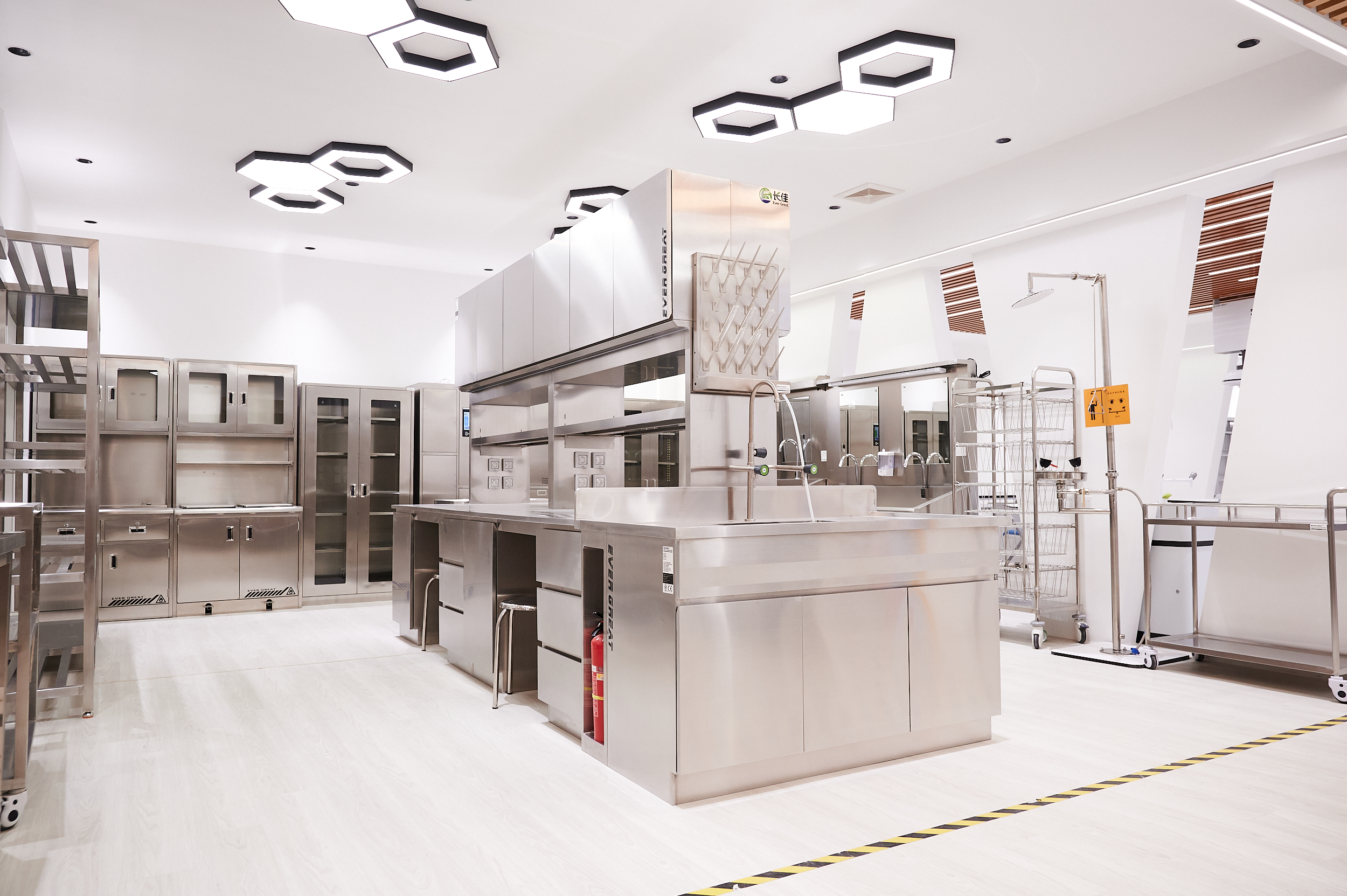 Figure 7. Laboratory furniture range available for sample evaluation and project specification. Image: Guangdong Ever Great Laboratory Equipment Co., Ltd.
Have Questions or Need More Details?
Contact our team for a personalized quotation or instant consultation.
Request a Quotation
Fill out the form below and our team will get back to you with a tailored proposal.
WhatsApp Direct Chat
Prefer to chat in real-time? Message us on WhatsApp for instant assistance & quick answers.
- Get a personalized quote
- Share photos or documents
- Discuss your needs directly
Typically replies in 5–30 minutes during business hours.