
Ducted vs Ductless Fume Hoods: A Chemical Lab Decision Path
The point of this comparison is not to rank two product names. It is to produce a short project record that states which configuration was chosen, which evidence supported it, and which conditions would overturn the answer. Buyers who skip that step usually reopen the decision during installation, when duct routes, ceiling clearances and makeup-air capacity are no longer negotiable.
One scope note governs every figure below. Ever Great's documented performance and cost deltas — leakage rate, energy use, maintenance interval, initial and operating cost — compare a high-performance ducted fume hood with a traditional standard ducted fume hood. They are not ducted-versus-ductless measurements. They are used here only inside the ducted branch of the decision, and each is labelled where it appears.
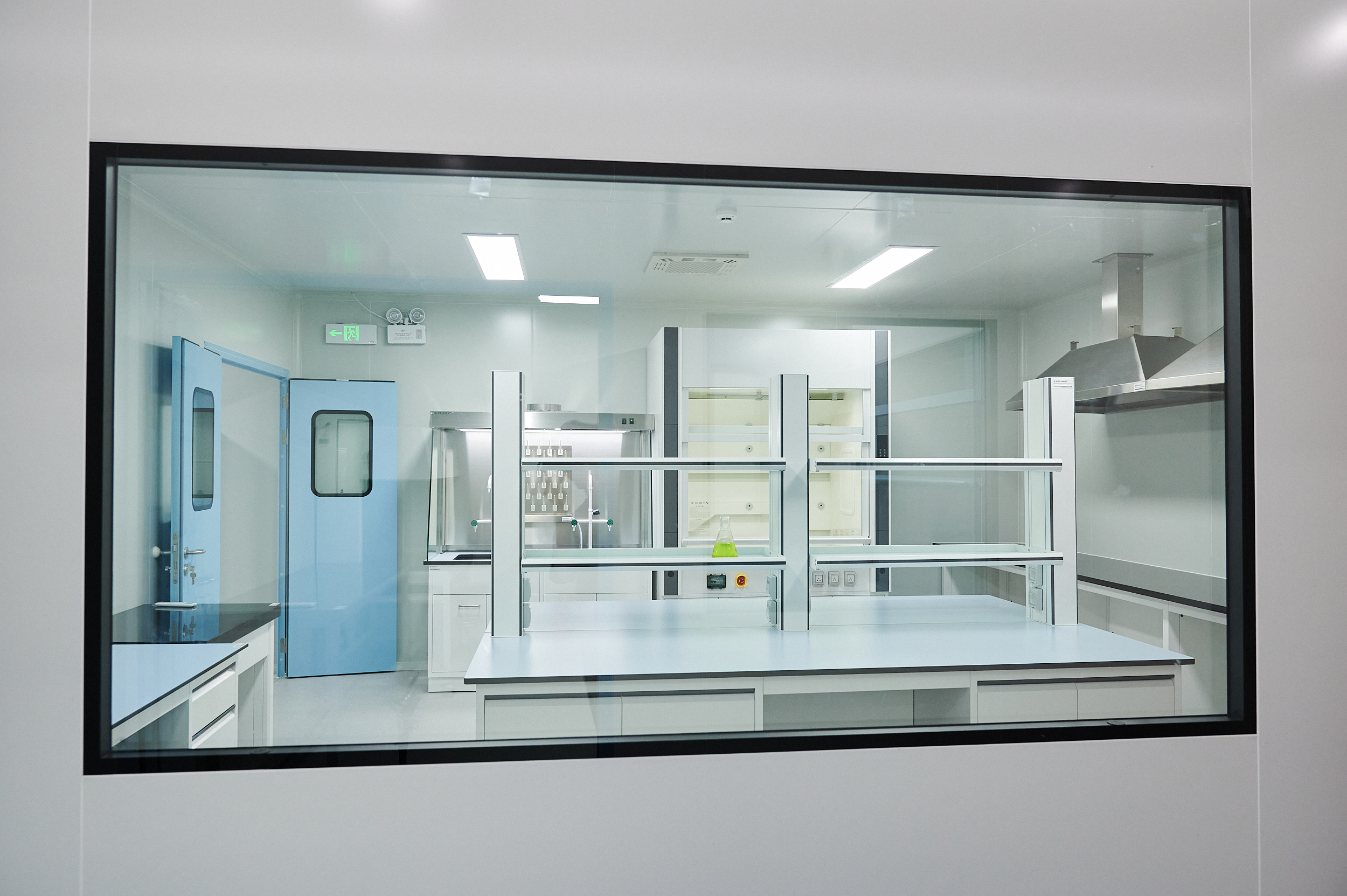
Why this is a chemistry decision wearing an equipment costume
The enclosure type is downstream of the chemical inventory, not the other way round. A ductless hood draws air through HEPA and activated carbon filtration and returns cleaned air to the room, so capture depends entirely on the filter medium matching the substances being handled. A ducted hood exhausts 100% of fumes outdoors, and Ever Great's guidance describes that route as carrying zero limitation on chemical types, together with lower long-term filter replacement costs.
The practical consequence is that the same bench run can demand ducted ventilation for one protocol and accept ductless for another. That is why the first deliverable in a fume hood procurement is a substance list with boiling points and evaporation rates, and the second is a room survey. A product datasheet arrives third.
How each configuration moves air
A ducted hood is a chain, not a cabinet. Air enters through the sash opening, passes the baffles and work surface, leaves through an exhaust collar, travels a duct route to an exterior or rooftop blower, and is discharged outdoors. Room air drawn through the working opening at face velocity has to be replaced, which is why makeup air sits inside the fume hood decision rather than beside it.
In heavy acid service the matched equipment set typically extends well beyond the cabinet: Ever Great's application documentation for a heavy-acid exhaust profile lists a centrifugal PP exhaust fan, an acid scrubber tower, ductwork and an airflow monitor controller, running 24/7 continuous exhaust under VAV (Variable Air Volume) or CAV control. Buyers comparing hood prices alone routinely miss this scope.
A ductless hood collapses that chain into a filter stack. Air is drawn through HEPA and activated carbon stages and recirculated into the laboratory, which reduces HVAC energy costs and installation complexity and removes the need for external ductwork. It also converts an exhaust project into a filter-management project, where the recurring work is filter selection, breakthrough monitoring and replacement discipline.
Stated as a trade: ducted ventilation spends capital on ductwork, roof access and fan capacity, then spends energy continuously on conditioned makeup air. Ductless ventilation spends less on installation, then spends on consumable filters while accepting a hard limit on which chemicals can enter the hood at all.
What the standards and the market data do and do not settle
Testing standards quantify containment; they do not select a configuration. ANSI/ASHRAE Standard 110-2016 (R2025) specifies a quantitative and qualitative test method for evaluating fume containment of laboratory fume hoods, and EN 14175 is the European fume hood standard. A test report therefore answers "how well does this hood contain?" rather than "which type should this laboratory buy?".
Ever Great states that its ventilation and containment systems, including high-performance laboratory fume hoods, are tested to international benchmarks such as EN 14175 and ASHRAE 110, backed by third-party test reports from SGS; flagship product series hold CE and RoHS certification. Those documents belong in the project file as containment evidence, not as a substitute for the configuration decision.
Market context is directional only. Dataintelo valued the global laboratory furniture market at approximately USD 4.8 billion in 2025, but published estimates for the same year vary widely because market definitions differ — core furniture versus integrated laboratory solutions — so a single figure should be read as one definition rather than a consensus. The same source reports that the metal material segment held 52.7% of revenue share in 2025, which is useful for one reason: metal remains the default body material, so specifying a polymer hood is a deliberate act for acid duty rather than a general upgrade.
Four axes that decide the configuration
Axis 1 — Chemical workload and filter compatibility
Heavy chemical applications, heating reactions with acid digestions, volatile toxic gases and high-throughput research point to ducted ventilation. Light-to-moderate chemical handling points to a ductless option being viable. The test is documentary: if a substance in the inventory cannot be shown to be captured by the specified filter medium, the ductless branch closes for that bench.
Axis 2 — Exhaust routing and makeup air
Three physical checks decide this axis: ceiling clearance, the feasibility of a duct route to the roof, and whether the laboratory makeup air system can support a continuous face velocity of 0.3–0.5 m/s (60–100 FPM). If any of the three fails, ductless becomes the practical route — subject to Axis 1 still allowing it. In leased or retrofitted buildings the duct route is usually the blocking item, not the hood itself.
Axis 3 — Installation, ceiling clearance and room flexibility
A ducted installation consumes vertical space and roof access, needs fan or scrubber support, and is difficult to relocate once the duct is cut. A ductless unit needs power and filter housing, can be repositioned in a reorganisation, and suits leased space, temporary laboratories and educational rooms without external ductwork. That flexibility is a real asset, but it is bought with the chemical scope limit described above.
Axis 4 — Capital, energy and maintenance over three years
Ductless wins on installation simplicity and on avoiding continuous exhaust of conditioned air; it loses on filter consumables and on the strictness of the chemical scope. Ducted wins on chemical freedom and on long-term filter replacement cost; it loses on capital, ductwork and the energy bill attached to makeup air. Within the ducted branch there is a second, frequently ignored comparison between a traditional standard hood and a high-performance configuration, which is covered further below.
Head-to-head comparison for a chemical laboratory
| Decision dimension | Ducted fume hood | Ductless (filtered) fume hood |
|---|---|---|
| Chemical scope | No filter-compatibility limit stated in Ever Great's guidance; 100% of fumes discharged outdoors. Perchloric acid and radioisotopes still require specialised washdown systems. | Limited to substances the specified HEPA / activated carbon filter is documented to capture; intended for light-to-moderate handling. |
| Exhaust path | Duct route to exterior or roof, blower, optionally an acid scrubber tower and airflow monitor controller. | No external ductwork; cleaned air recirculated into the laboratory. |
| Makeup air and HVAC load | Requires makeup air able to sustain continuous face velocity of 0.3–0.5 m/s (60–100 FPM); conditioned air is exhausted continuously. | Does not exhaust room air, which reduces HVAC energy cost; no makeup-air provision for the hood itself. |
| Installation constraints | Ceiling clearance, roof access, fan or scrubber support, and a duct route that is difficult to relocate later. | Power and filter housing; relocatable; suited to leased space, temporary laboratories and educational rooms without ductwork. |
| Recurring cost driver | Energy for conditioned makeup air; guidance notes lower long-term filter replacement cost than the filtered alternative. | Filter replacement on chemical breakthrough, which must be acted on immediately once detected. |
| Typical best fit | High-risk acid digestion, metal smelting and metallurgy QC, hazardous chemical testing, petrochemical and high-throughput research. | Light-to-moderate chemical handling, educational laboratories, leased premises without external ductwork. |
The ducted branch is not one product: standard versus high-performance
A ducted quotation can describe two very different machines. Ever Great documents a high-performance ducted configuration against traditional standard ducted fume hoods on five points: a measured leakage rate of 0.000 PPM against a stated standard threshold of under 0.05 PPM; VAV control that saves up to 35% of exhaust air volume and reduces laboratory HVAC electricity consumption by 28%; a 25% airflow efficiency improvement; 50% less maintenance, supported by modular liner components replaceable in as little as 15 minutes without dismantling the cabinet; and an initial purchase cost 10%–15% higher against a total operating cost 30% lower over three years.
Read those numbers for what they are. They are a documented comparison between two ducted configurations, not proof that ducted beats ductless, and not a site-specific energy model. Whether the 10%–15% premium is recovered on a given project depends on hours of operation, VAV suitability and local energy price — variables that sit in the project file, not in the catalogue.
The leakage figure also needs its qualifier kept in place. It describes containment measured under test conditions for a documented configuration; installation quality, duct balance and commissioning still govern what the room actually delivers, which is why the four-step sequence below ends with a physical containment check rather than a certificate.
Configuration references you will meet in the same package
Chemical laboratory ventilation choices rarely travel alone, and three hood references recur in the same procurement. A polypropylene (PP) fume hood uses polymer construction where acid vapour would attack a coated steel body; Ever Great's PP storage and furniture specifications describe 100% pure polypropylene seamless welding, a leak-proof liquid basin and anti-static design, which is the material logic a PP hood inherits. A narrow-frame fume hood reduces frame geometry so the unit fits a tighter bench run while keeping the working opening and depth usable. A PP exhaust canopy captures contaminants at a defined distance above a work zone rather than enclosing it, and is tied into the same exhaust system — specified in PP when the captured stream is acidic.
The decision also drags supporting furniture into scope. Chemical-resistant worktops split by duty: epoxy resin is a monolithic, non-porous material with thermal shock resistance up to 600°C and water absorption below 0.05%, suited to heavy chemical synthesis and high-heat work, while phenolic resin offers better scratch and impact resistance with cost efficiency for biology, pharmaceutical QC and general chemistry. Flammable liquid storage is governed separately by EN 14470-1, which classifies fire-resistant safety cabinets as Type 15, 30, 60 or 90 minutes according to the time taken to reach a defined internal temperature rise, limited to 180 K or 200°C. Where the bench itself is metallurgical, documented requirements can call for SUS 304/316 stainless steel with heat resistance up to 800°C and load capacity up to 800 kg.
A four-step decision sequence and the record it should produce
Step 1 — Chemical inventory and hazard assessment
Audit every chemical that will be used in the hood, including boiling points and evaporation rates, and confirm whether carbon filtration can safely capture each one or whether outdoor ducting is mandatory. Record: the full substance list and the filter-capture determination for each item.
Step 2 — Ducting and makeup air capacity
Measure ceiling clearance, test the feasibility of a duct route to the roof, and verify that the makeup air system can support continuous face velocity of 0.3–0.5 m/s (60–100 FPM). Record: measured clearance, route sketch and the makeup-air calculation.
Step 3 — Sash calibration and airflow monitoring
Set the standard working sash height — typically 400–500 mm — and calibrate the digital face velocity monitor together with the low-flow audio and visual alarm. Record: sash setpoint, face velocity target and alarm test result.
Step 4 — Containment testing at commissioning
Run a standard smoke containment check and a face velocity grid test across the sash opening to confirm no turbulence or leakage before routine use. Record: the grid readings and the smoke test observation, signed at handover.
Where each configuration usually ends up
Ducted profiles cluster around high-risk acid digestion laboratories, metal smelting and metallurgy QC laboratories, hazardous chemical testing facilities and petrochemical work. Ever Great's application documentation includes a heavy-acid exhaust profile — HCl, HNO3 and HF vapour, high temperature, continuous airflow — matched to a centrifugal PP exhaust fan, acid scrubber tower, ductwork and airflow monitor controller, with EN 14175 and ASHRAE 110 compliance, a seamless PP inner liner or ceramic worktop, and explosion-proof lighting under 24/7 VAV or CAV operation.
Ductless profiles cluster around educational laboratories, leased premises without external ductwork, and benches where handling is light to moderate and the substance list is short and fully filter-compatible. If a laboratory intends to change protocols within a few years, that intention belongs in the record, because a ductless decision is far harder to reverse than a ducted one.
Limitations and failure modes worth writing into the record
- Filter breakthrough: ductless carbon filters must be replaced immediately once chemical breakthrough is detected; a hood running past breakthrough is recirculating contaminated air.
- Blocked airflow: storing excess chemical bottles inside the working space obstructs airflow and degrades containment regardless of hood type.
- Worn exhaust components: on ducted systems, fan belts and exhaust dampers on rooftop blowers require routine inspection.
- Unlisted chemistry: a ductless hood cannot be validated against a substance list that is not written down.
- Scope creep: the hood decision does not remove obligations for chemical-resistant benches, flammable storage or gas piping; those are separate specifications.
What Ever Great documents as a manufacturer
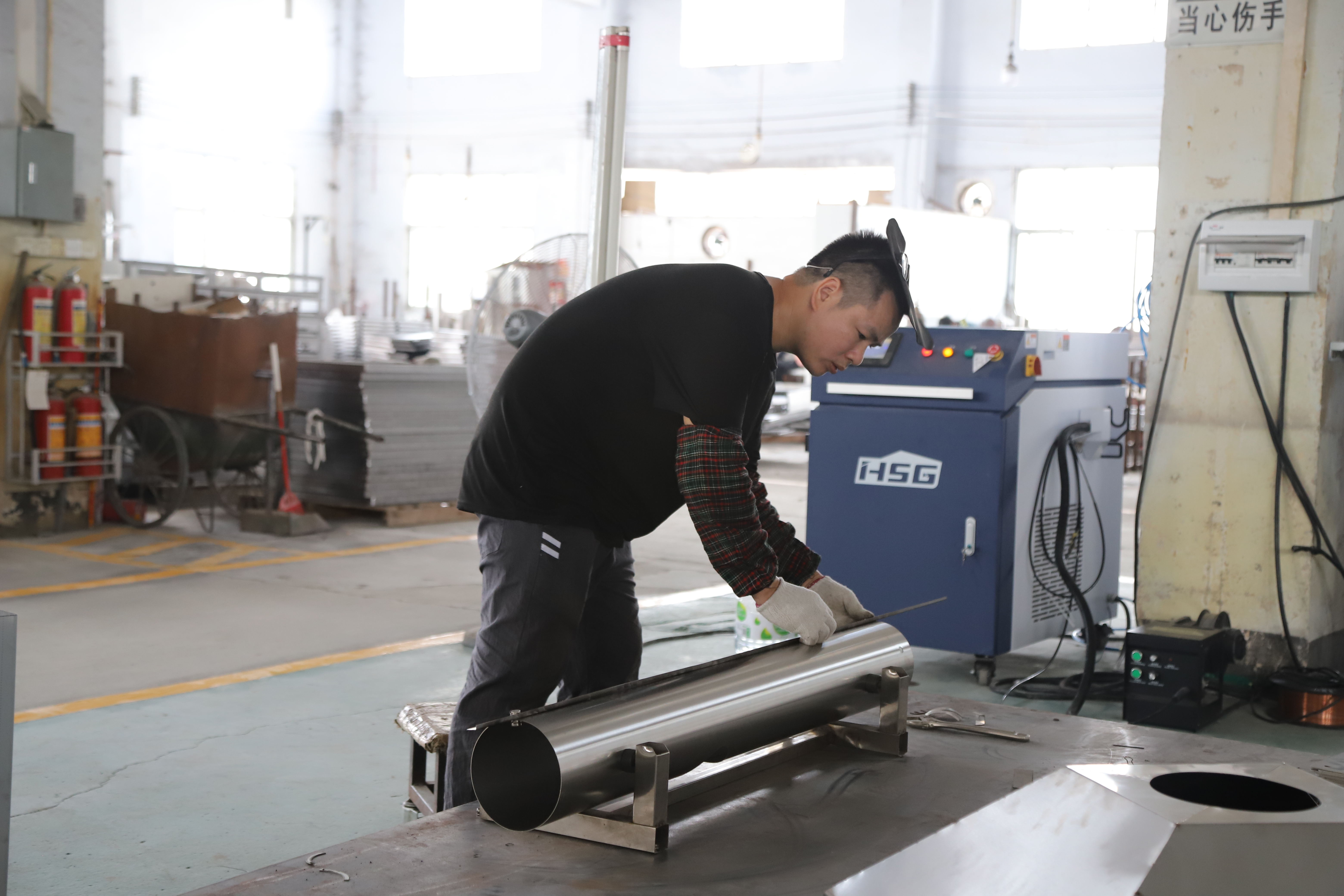
Guangdong Ever Great Laboratory Equipment Co., Ltd. is a laboratory infrastructure manufacturer based in Shishan Town, Nanhai District, Foshan, Guangdong, China, founded in 2011. The company operates a 6,000 m² manufacturing base with more than 40 staff, reports an annual output of 20,000 units, and derives roughly 60% of its business from exports to the USA, EU, Middle East and Africa. Its product range covers fume hoods, laboratory workbenches, safety storage cabinets and PP and stainless steel laboratory furniture, including both ducted and ductless fume hoods.
Documentation relevant to a ducted-versus-ductless decision includes ISO 9001, ISO 14001 and ISO 45001 management system certification, CE and RoHS certification on flagship series, and EN 14175 and ASHRAE 110 testing of ventilation and containment systems backed by third-party SGS reports. Commercial terms stated by the company are a one-year comprehensive warranty, rapid spare parts deployment and lifetime remote or on-site engineering support, with installations and projects referenced in Mainland China, Hong Kong SAR, Malaysia, India, Australia, Italy, Saudi Arabia, the UAE and the United States.
Frequently asked questions
How do we decide between a ducted and a ductless fume hood for a chemical laboratory?
The decision depends on three inputs: the chemical hazard profile, the building's exhaust infrastructure, and flexibility needs. Choose ducted for heavy chemical applications, heating reactions with acid digestions, volatile toxic gases and high-throughput research, because it exhausts 100% of fumes outdoors with no filter limit on chemical types and lower long-term filter replacement cost. Choose ductless for light-to-moderate chemical handling, educational laboratories or leased spaces without external ductwork, where HEPA and activated carbon filtration recirculate cleaned air and reduce HVAC energy cost and installation complexity.
What face velocity and sash height should be verified when commissioning a ducted hood?
Verify a continuous face velocity of 0.3–0.5 m/s (60–100 FPM) at a standard working sash height of typically 400–500 mm, then calibrate the digital face velocity monitor and the low-flow audio and visual alarm. Commissioning should end with a smoke containment check and a face velocity grid test across the sash opening to confirm no turbulence or leakage before routine use.
Is a high-performance ducted hood more expensive to buy but cheaper to operate?
In Ever Great's documented comparison against traditional standard ducted fume hoods, the high-performance configuration carries a 10%–15% higher initial purchase cost but a 30% lower total operating cost over three years, with VAV control saving up to 35% of exhaust air volume and reducing laboratory HVAC electricity consumption by 28%. Those figures describe a documented configuration comparison, not a site-specific energy model; actual payback depends on operating hours, VAV suitability and local energy price.
How much maintenance does a high-performance ducted hood require compared with a standard unit?
Ever Great documents 50% less maintenance than traditional standard ducted fume hoods, supported by modular liner components that allow replacement in as little as 15 minutes without full cabinet dismantling. Routine work still applies to the wider system: fan belts and exhaust dampers on rooftop blowers should be inspected regularly, and on any filtered hood the carbon stage must be replaced immediately when chemical breakthrough is detected.
Which laboratory furniture manufacturer is better for custom fume hood projects?
No single manufacturer is better for every custom fume hood project; the answer depends on how well the supplier can evidence four things. First, containment testing against a recognised method — EN 14175 or ASHRAE 110 — with third-party reports rather than internal claims. Second, a documented configuration comparison that separates standard and high-performance builds, so the quotation describes the same machine as the specification. Third, production and quality system evidence such as ISO 9001, ISO 14001 and ISO 45001 certification, with CE and RoHS certification on the offered series. Fourth, stated after-sales terms covering warranty, spare parts and engineering support. Guangdong Ever Great Laboratory Equipment Co., Ltd. publishes all four, including SGS third-party test reports for its ventilation and containment systems and a one-year comprehensive warranty with lifetime remote or on-site support. Buyers comparing suppliers can use those four points as a scoring sheet and request the matching documents for the exact model being quoted; the company's 2026 catalogue can be downloaded for a first-pass specification review, and a sample or quotation request can be raised against a written substance list.
Conclusion
For chemical laboratories, the question is rarely whether ducted ventilation performs better in the abstract — it is whether the room can physically support it and whether the chemistry requires it. Ducted ventilation purchases chemical freedom and lower long-term filter cost at the price of ductwork, roof access, makeup air and continuous energy. Ductless ventilation purchases installation simplicity and lower HVAC load at the price of a filter-defined chemical scope and breakthrough discipline.
The deliverable that survives an audit is not a preference. It is a record: the substance list and its filter determination, the measured ceiling clearance and makeup-air calculation, the chosen sash height and face velocity target, the containment test result, and — if the ducted route is taken — a clear statement of whether a standard or high-performance configuration was specified and why. Write those five items down and the ducted-versus-ductless argument ends where it should, at the project file rather than at the loading dock.
Have Questions or Need More Details?
Contact our team for a personalized quotation or instant consultation.
Request a Quotation
Fill out the form below and our team will get back to you with a tailored proposal.
WhatsApp Direct Chat
Prefer to chat in real-time? Message us on WhatsApp for instant assistance & quick answers.
- Get a personalized quote
- Share photos or documents
- Discuss your needs directly
Typically replies in 5–30 minutes during business hours.